Leaders often assume tenure equals stability. In reality, long-tenured employees are the most likely to reassess their relationship with work.
After five, ten, or fifteen years, the job may be familiar. Sometimes too familiar. Responsibilities that once felt ambitious can start to feel routine. Outside of work, life rarely stands still. Priorities shift, family structures change, financial pressures evolve, and energy fluctuates.
When leadership continues managing someone as if they are the same person who joined years ago, disengagement is predictable.
Start with relevance
The most useful question isn’t “How do I motivate them?” It’s “What does this role mean to them right now?”
A 30-year-old building a career and a 58-year-old approaching retirement may sit in the same department, but their relationship to work is fundamentally different. One may want acceleration. The other may want autonomy, impact, or flexibility.
Motivation tied to promotion and compensation works for some life stages. For others, purpose, stability, flexibility, or legacy matter more.
Leaders who keep tenured employees engaged update their assumptions.
Understand the life context
Long-term employees are often managing more complexity outside the office than they were a decade ago. That can include caregiving for children and aging parents, health changes, financial planning for retirement, or simply a reassessment of what success looks like.
Instead of guessing, ask directly:
- What feels important to you right now — professionally and personally?
- What would make the next five years here meaningful?
- Are there responsibilities outside of work that are shaping what you need from your role?
These conversations should not feel like performance reviews. They are recalibration sessions.
Adjust the levers
Engagement strategies should match the stage.
Employees nearing retirement often respond to opportunities that acknowledge impact like mentoring younger colleagues, leading special projects, documenting institutional knowledge, or contributing to long-term strategy. Public recognition of legacy can matter more than incremental pay increases.
Mid-career employees with growing families may prioritize flexibility, predictable schedules, and meaningful development paths over title changes. Access to leadership training or stretch projects can reintroduce challenge without requiring constant upward movement.
Employees navigating caregiving responsibilities frequently need structural support: flexible hours, remote work options, and policies that reflect modern family realities. These are operational decisions, not perks.
Empty nesters or seasoned contributors may want new terrain entirely — cross-functional work, advisory roles, travel assignments, or phased retirement structures that allow them to reduce hours without disengaging completely.
Loyalty follows alignment
Long-tenured employees stay when their role continues to align with their evolving priorities. They leave when the organization assumes their motivations are frozen in time.
The work of retention at this stage is less about incentives and more about relevance. It requires listening without immediately converting feedback into a transactional exchange.
When employees feel understood in context, not just evaluated for output, they tend to reciprocate with steadier commitment.
Sustaining engagement over decades is less about keeping people “energized” and more about ensuring their work continues to fit the life they are actually living.
That adjustment, repeated over time, is what keeps experience in the building.




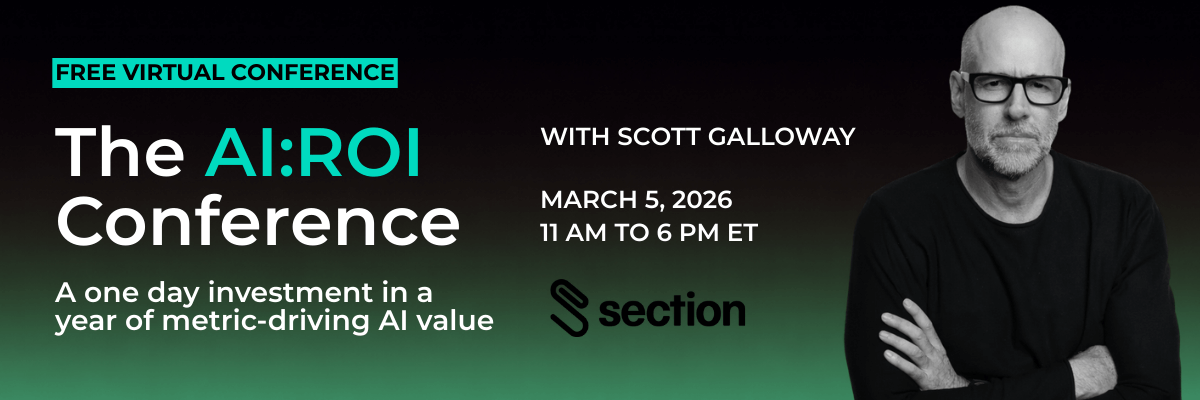

 Upcoming Events
 Work Wisdom of the Week: