I think about my mom every single day. Not in passing, but in the kind of way where she’s stitched into everything: my choices, my habits, my parenting, even the way I laugh. She was my best friend, my confidante, the person I could pour my heart out to and know I was safe. She had this gentle way of listening, mixed with a strength that came from a lifetime of hardship.
My mom lived through multiple wars, raised her family through stress and scarcity, and carried more than her share of burdens. But she never complained. She was brave and resilient, always putting others first. When my dad got sick, she devoted herself completely to caring for him, even as she ignored her own health. That’s who she was: selfless to the very end.
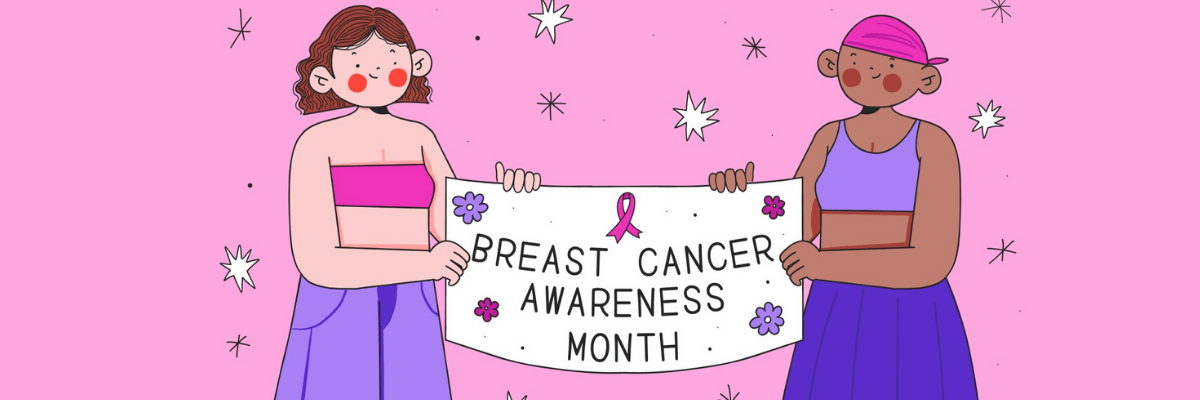
In 2007, she was diagnosed with stage 4 breast cancer. The news knocked the wind out of us. She went into remission for a while, and I let myself believe we had beaten it. But the cancer came back. For years, she fought with a grace and courage that still leaves me in awe. In 2019, she passed away.
What’s hardest is knowing she noticed something was wrong long before she went to the doctor. She was afraid, and she put herself last. If she had gone earlier, things might have turned out differently.
That’s why I need to say this to you: please don’t wait. Don’t dismiss the signs. Don’t put yourself at the bottom of the list. Prevention and early detection matter. Even if you have no family history, breast cancer can still happen.
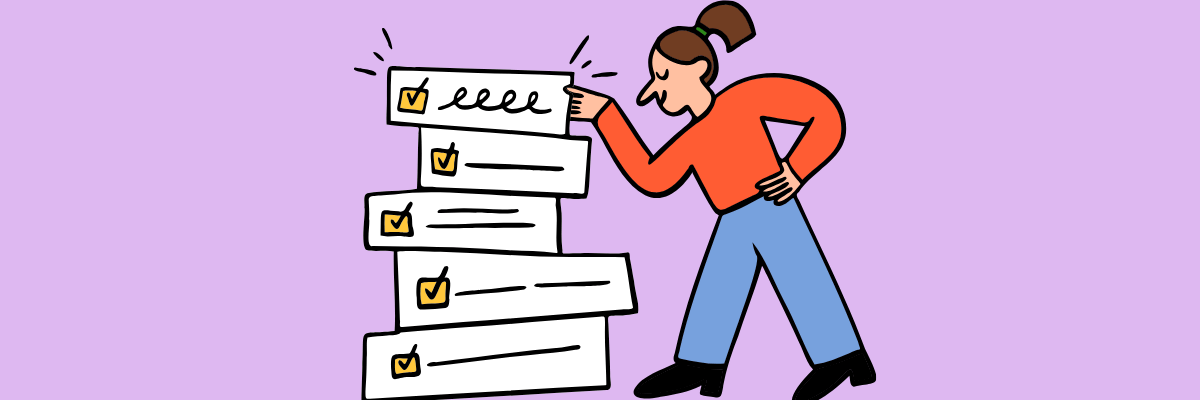
Here are steps worth weaving into your yearly routine:
- Monthly self-exams: Get familiar with how your breasts normally feel so you notice changes early.
- Annual clinical breast exams: A doctor’s check can catch what you might miss.
- Mammograms: Recommended yearly for women 40+, or earlier if you’re high risk.
- Genetic testing and risk assessments: Even without family history, it’s worth asking your doctor if testing makes sense for you. You can also use the Tyrer-Cuzick Risk Assessment Calculator, which is completely free.
- Lifestyle habits: Prioritize sleep, movement, stress management, and limiting alcohol, all of which can support breast health.
If you’re reading this and you’re in treatment, recovering, or loving someone through this journey, you’re not alone. There are communities and resources that can walk with you:
My mom was the bravest person I’ve ever known. She endured more than most but did it with love. And even though she isn’t here in person, she is with me always—in my heart, in my memories, and the way I try to live.
Sharing her story is my way of honoring her. And maybe, if even one person books that doctor’s appointment or reminds a friend to check in, then her courage continues to ripple outwards.
There is progress. There is support. And there is always hope 💗.

Kristel (TA Marketing)