✅ Today’s Checklist:
- Use AI to Reclaim a Workday (or Six)
- Kristel shares journey with PCOS
- Recipe of the week: Skinny Orange Chicken
🤔 Trivia: When was the first pizza delivery? Find out.
✅ Today’s Checklist:
🤔 Trivia: When was the first pizza delivery? Find out.
💁🏻♀️ These collagen-building tips are backed by dermatologists.
🌟 Want happier employees? Start with smarter rewards.
🎀 What you may not know about breast cancer screening guidelines.
☕ New research shows coffee may support healthy aging in women.

Ever close your laptop at 6 p.m. and think: Wait, what did I actually get done today? You know you were busy. Meetings, emails, Slack pings, a million “quick things.” But the big stuff? Still untouched.
Ah, the invisible tax of modern work. The good news: you can see it (and fix it) with an AI Time Audit.
Here’s how:
Why this works: you stop relying on vibes (“I’m swamped”) and start seeing hard data. And small changes compound fast. Freeing up even 90 minutes a week = 6 extra workdays a year.
The point isn’t to squeeze in more work. It’s to free yourself up for the work that matters.
What would you do with 10+ extra hours next week? On Sept 10, we’ll show you how to reclaim your time back with AI.
🎟️ Free to join → Save your seat here

If your heart rate rises every time “review season” rolls around, you’re not alone.
Most performance systems weren’t built for real humans. They’re built for checkboxes. And that’s why they often feel awkward, reactive, or like one more thing on a never-ending to-do list.
But when done right, performance reviews can actually support your team’s well-being.
✅ Clear expectations = less anxiety
✅ Ongoing feedback = fewer surprises
✅ Goals that evolve = more flexibility and trust
Lattice helps teams ditch the once-a-year performance drama and build a healthier, more human approach. With Lattice, you can:
Performance management doesn’t have to feel like a performance. With Lattice, it becomes part of your culture of growth, care, and clarity.

I had always thought my body was pretty predictable. My periods came like clockwork. No painful cramps. No hormonal chaos. No textbook signs of anything being off.
So when I went to my OB-GYN to start planning for pregnancy and heard the words, “You may have PCOS,” I was blindsided.
PCOS? Polycystic Ovary Syndrome?
The thing I thought only showed up when your period disappeared or your hormones went wild?
No one told me you could have PCOS with a perfectly regular cycle. That it could hide behind the illusion of “normal,” with symptoms so quiet, so subtle, they barely register…until they do.
I had no idea it could be messing with my ovulation even when everything seemed on track.
And I definitely didn’t realize just how common—and how deeply misunderstood—it really is.
Because for so many of us, PCOS doesn’t scream. It whispers.
PCOS affects an estimated 6–13% of reproductive-aged women. But it rarely shows up the same way twice.
Some people struggle with intense acne, hair loss, or weight gain. Others have irregular or missing periods. For many, like me, the symptoms are subtle or invisible until fertility challenges force a closer look.
And the diagnosis? It’s rarely simple. There’s no single test. No guaranteed roadmap. Just a mix of blood work, ultrasounds, symptoms, and (if you’re lucky) a provider who actually listens.
But the hardest part isn’t the diagnosis.
It’s everything that comes after.
PCOS is a lifelong condition, but it is manageable. There’s no universal fix, but there are tools that help you feel more in control.
Here’s what’s worked for me:
⭐ What’s been helping me: Inositol (to support ovulation and blood sugar) and magnesium (my go-to for stress and sleep). It’s not about chasing every supplement out there, it’s about finding the few that make a real difference. (If you want to try them yourself, you can use the promo code theassist for a discount.)
One of the biggest mindset shifts I had to make was realizing that I didn’t have to figure this out solo.
There’s power in community, and these support groups and resources are full of it:
PCOS is about understanding your body on a deeper level. It’s about advocating for yourself in a system that doesn’t always believe women when we say something feels off.
So if you’re newly diagnosed, trying to get pregnant, struggling with weight, or just feel off and haven’t gotten answers, know this:
You’re not making it up.
You’re not doing it wrong.
You’re not alone.
💚 This PCOS Awareness Month, let’s remind each other that invisible illnesses still deserve real attention and that healing doesn’t have to be lonely.
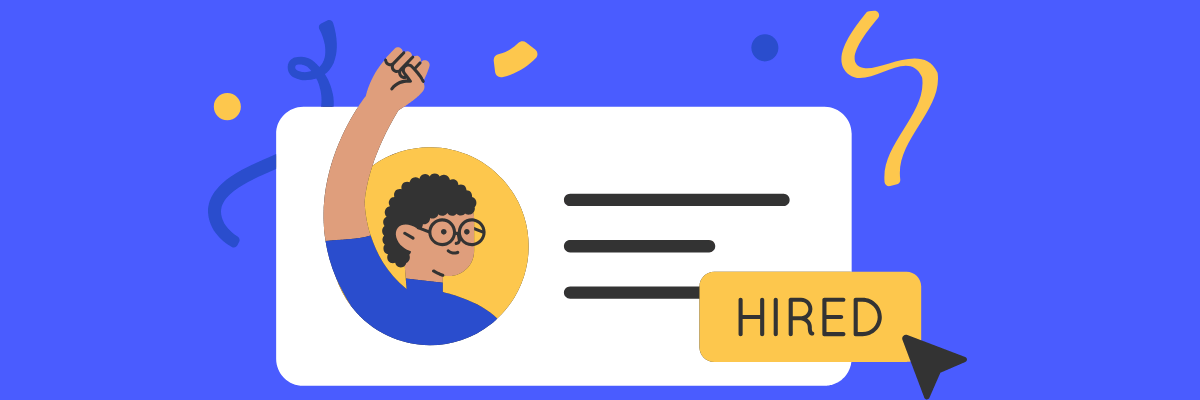
Many of employers say they’ve hired the wrong person.
And the ripple effects aren’t just financial, they’re cultural.
Low engagement. Manager stress. Broken trust. Team tension.
When hiring isn’t structured or aligned, it doesn’t just waste time. It chips away at the well-being of your people.
Here’s what that looks like:
This is how burnout starts—not just for employees, but for the people trying to lead them.
Workable brings structure, clarity, and calm to the chaos of hiring.
With Workable, you can:
Workable protects your team from the emotional toll of bad hiring and helps you build a culture where every new hire feels right from day one.
✨ Smooth down flyaways instantly with this vegan wax hair stick.
🚀 Make day one feel easy with these onboarding picks.
👜 This gym bag is perfect for those busy mornings.
🎯 Backyard hangouts hit different with a cornhole set that’s built to last.


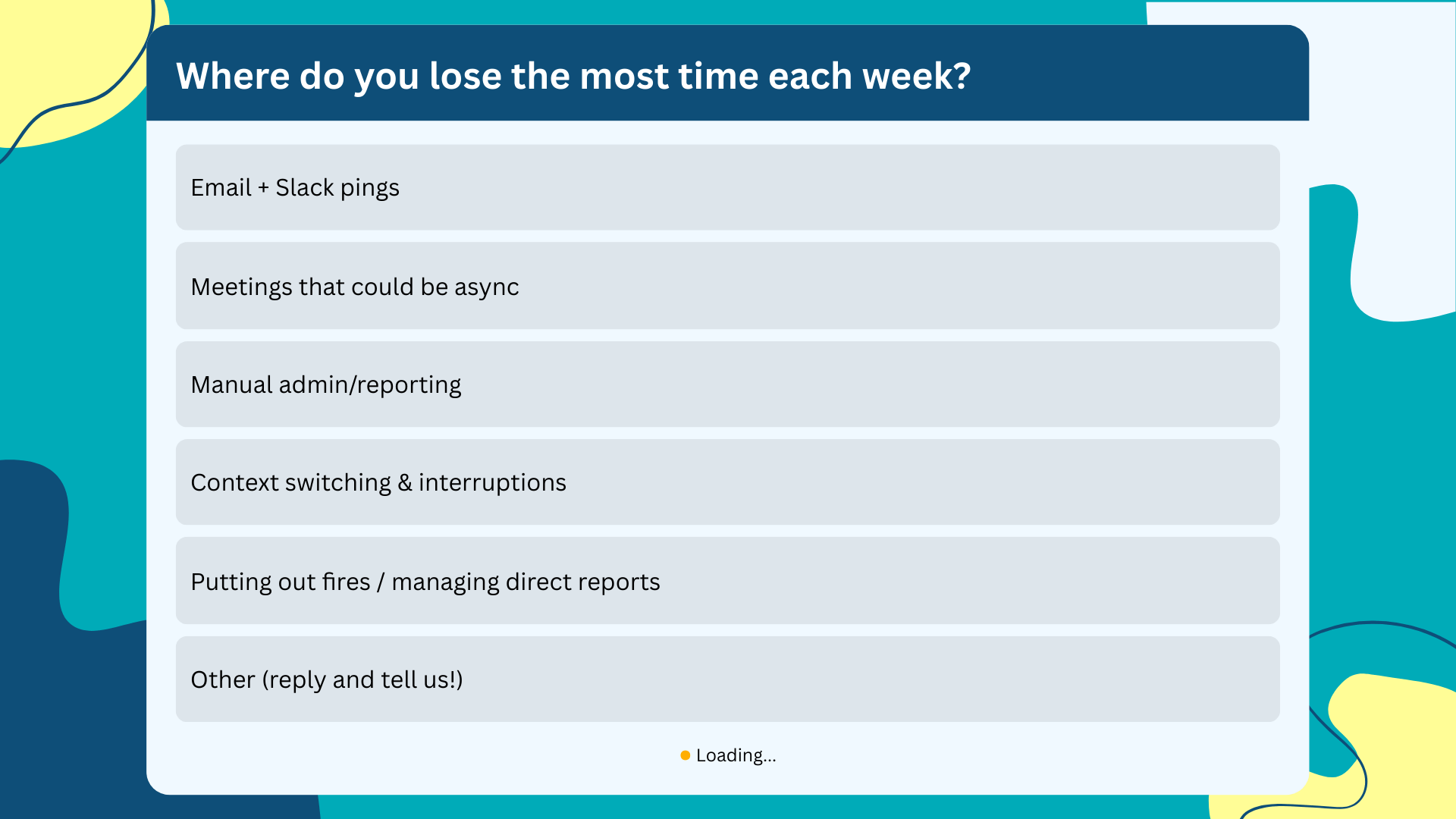
Have more feedback? 💌 Reply to this email and tell us.
✨ P.S. Want more inspiration and positivity to kick off your week? Sign up for our Motivational Monday texts (U.S. only).
👀 Want to see if your company is a good fit for our 100k+ ambitious readers? Join our Sponsor Waitlist here.
Join 301k+ smart women reading The Assist every Wednesday.