
✅ Today’s Checklist:
- Work with your peak hours
- Why fitness advice fails women
- Recipe of the week: One Pan Spicy Sesame Butter Chicken
🤔 Trivia: What candy was originally called “Chicken Feed” when it was first marketed in the 1880s? Find out.
✅ Today’s Checklist:
🤔 Trivia: What candy was originally called “Chicken Feed” when it was first marketed in the 1880s? Find out.
🧩 These workspace tips for ADHD can make it easier to stay focused and organized.
💆♀️ A sharper jawline might be possible with Ultherapy.
📓 Organize your workflow more effectively by exploring how Notion works.
🎁 The ultimate list to make bulk gifting feel personal (yes, it’s possible).

If you’ve ever sat at your desk staring at the blinking cursor, wondering why your brain feels like mush at 10 a.m. but lightning-fast at 9 p.m., it’s more common than you think.
Productivity isn’t one-size-fits-all. It’s deeply tied to your body’s rhythms, your environment, and even the type of work you’re doing. The key is figuring out your peak windows so you can stop fighting yourself and start working with your natural flow.
Here’s how to uncover your most productive timeframes by day:
1. Track Your Energy, Not Just Your Hours
For one week, keep a simple log. Every 2–3 hours, jot down how alert, focused, and motivated you feel on a scale of 1–10. Note what you were working on, what you ate, and whether you had caffeine or exercised. You’ll start to notice patterns (like “afternoons after lunch = brain fog” or “late mornings = sharp and creative”).
2. Match Tasks to Energy Levels
Not all work is created equal. High-focus tasks (writing, strategy, data analysis) belong in your peak windows. Lower-energy times are perfect for admin work, email, or meetings that don’t require your best brainpower.
3. Experiment With Timing
Try shifting key tasks into different slots for a few days. Maybe mornings are better for deep work, or maybe you’re secretly a night owl. You won’t know until you test it. Apps like RescueTime or Toggl can give you extra insight into when you’re most active and focused.
4. Build Around Your Chronotype
Your “chronotype” is your natural sleep-wake rhythm. Morning larks peak early, night owls peak later, and most people fall somewhere in the middle. If possible, align your schedule with your chronotype.
Example Daily Frameworks
5. Don’t Forget Recovery Windows
Your productivity peaks are only as strong as your recovery dips. Scheduling short breaks (walks, stretching, screen-free pauses) keeps you from burning out mid-day and helps extend your focus.
6. Reassess Weekly
Your energy isn’t static. Hormonal cycles, workload, stress, and even seasons can shift your peaks. Revisit your log every few weeks to fine-tune.
The payoff? Once you know your high-energy windows, you’ll stop wasting time pushing through your worst hours. Instead, you’ll be stacking your most important work into the timeframes when your brain is actually firing on all cylinders.
Every system you build (every policy, every process) is a signal.
It tells your team:
👉 This is how we show up for each other.
👉 This is what we value.
👉 This is the kind of place we’re building.
But when you’re scaling fast, people ops gets messy. Onboarding slips, managers wing it, and employees feel like afterthoughts. You don’t have time to rebuild from scratch…but you know the way you’re running things isn’t sustainable.
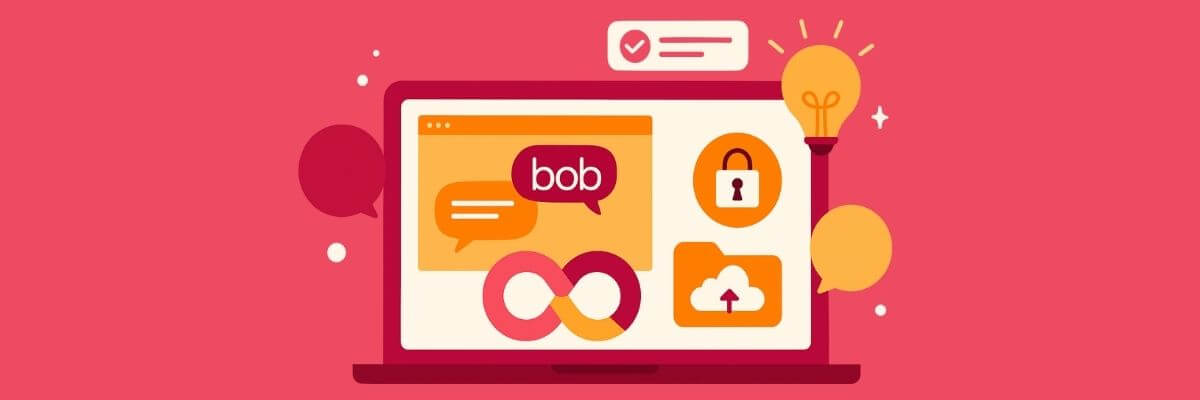
That’s where HiBob comes in.
💼 What is HiBob?
HiBob is a modern HR platform built for fast-moving teams who actually give a damn about culture. It’s people-first and process-smart—giving you the structure to scale, minus the rigidity of old-school HR systems.
With HiBob, you can:
⚠️ What to Watch Out For
Even great platforms can fall flat if you:
HiBob gives you the infrastructure—but it’s on you to use it with intention. Start slow. Prioritize what matters most. And build for the culture you actually want, not the one you inherited.
🚀 How to Get Started
The best part? You don’t need a full HR team or months of planning to make HiBob work.
You don’t need to be an HR expert. You just need the right foundation, and the guts to build something better.
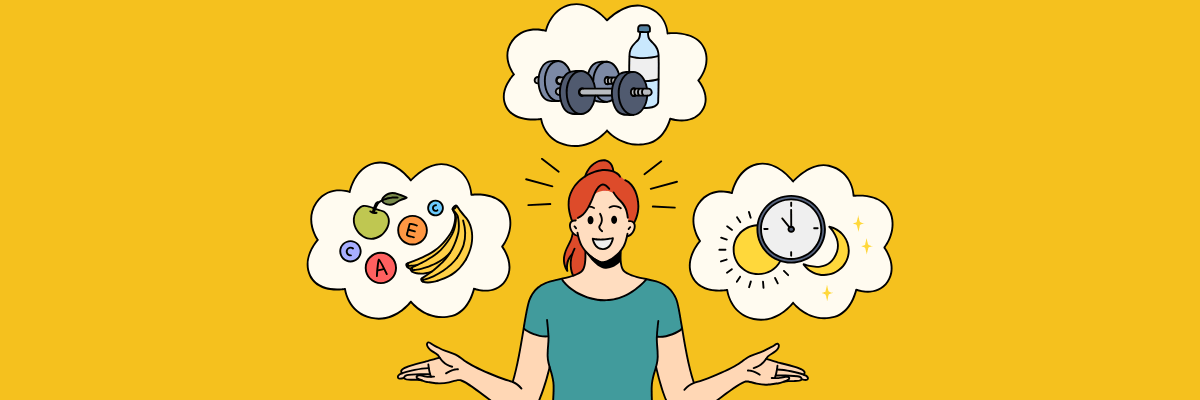
As a fitness girly (who started off absolutely hating working out) and someone with a goal to live as long as possible, I’m always stumbling upon new research and resources that make me rethink everything. Recently, I came across Dr. Stacy Sims and fell in love with this idea that women’s training isn’t the same as men’s training.
It reminded me that most research is targeted for men—pharma, medical studies, you name it—so it’s not surprising that a lot of things that work for dudes don’t work for me. Dr. Sims’ book ROAR dives into how our bodies aren’t just “small men” and why syncing our approach to our unique physiology is a total game-changer for long-term health and energy.
Here are the most insightful things I found that every woman on a health journey should know:
The Research Gap Is Real (And It’s Hurting Us)
Between 2014-2020, only 6% of published sports and exercise science studies focused exclusively on women. That means most guidelines, macronutrient charts, recovery times, etc., come from male-dominant studies. We’ve been following rules that were never designed for our bodies.
Your Cycle Is Your Superpower, Not Your Enemy
The menstrual cycle introduces shifts in estrogen, progesterone, and how your metabolism, heat tolerance, and recovery work. Training intensity, nutrition timing, and fatigue can all be optimized by aligning with these phases. Use your follicular phase to push hard on strength and high-intensity work. Scale back and recover smarter during your luteal phase.
Strength Training Is Non-Negotiable
Starting around age 30, women lose lean muscle mass at about 3% per decade. From age 50 to 70, strength can drop by 30%. Aerobic exercise alone isn’t enough after midlife to arrest this drop in lean mass. To protect bone density and muscle mass (especially as estrogen dips with age), lift heavy, lift often.
Protein Is Queen (And You Need More Than You Think)
Women need more protein per meal than most guidelines suggest, especially post-workout. Aim for 30g+ within 30 minutes to maximize recovery. After menopause, when estrogen declines, muscle protein synthesis goes down; protein needs become even more important.
Energy Deficits Hurt Performance & Sleep Is Your Secret Weapon
Many women unknowingly eat too little to sustain training, plus daily demands, plus recovery. This leads to bone density loss, disrupted cycles, and impaired immune function. Fuel your body, don’t starve it. And don’t underestimate sleep—hormonal fluctuations mess with sleep quality throughout your cycle. Build a wind-down routine and prioritize 8 hours.
Perimenopause & Life Stages Change Everything
What works in your 20s needs adjustment during pregnancy, perimenopause, or menopause. During perimenopause, women actually need more intensity, protein, and targeted recovery practices (not less). Training loads, nutrition, and rest need rebalancing as your hormonal landscape shifts.
Hydration & Supplementation Matter More Than You Think
Women lose more sodium in sweat and have different thermoregulation patterns than men. Electrolytes, not just water, are essential for peak performance. Many micronutrients like iron, calcium, and vitamin D are under-consumed by women, affecting energy, bone health, and performance throughout different life stages.
We need standards built for women, not just adapted male norms. These insights have completely shifted how I think about my own health routine, and I hope they spark some new thinking for you too.
Whether you’re leading a team, training for goals, or just trying to feel strong and energized through packed weeks, working with your body instead of against it changes everything.

Thania (TA Content Mgr)

The holidays are creeping in faster than your inbox can say “OOO.”
And before you know it, you’ll be scrambling for something, anything, to show your team you appreciate them.
But here’s the thing: Your team doesn’t want another pizza party. They want proof you see them.
Not just in Q4 all-hands or Slack kudos, but in the middle of a rough week.
Not with generic swag bags, but with something that whispers:
🧠 You matter here.
💻 We notice the effort.
💗 You’re not just clocking in—you’re part of something.
And that kind of recognition? It doesn’t come from generic swag or one-size-fits-all bonuses.
And with the holidays coming in hot (because of course they are), now’s the time to give more meaningfully.
🎁 That’s why we put together our very own Holiday Gift Guide.
It’s a curated list of feel-good, team-loved, zero-cringe gifts that help you say thank you in a way that actually lands.
✔️ Thoughtful, not transactional
✔️ Practical and personal
✔️ Designed to delight even your hardest-to-shop-for teammate
🌱 Daily fiber made simple—just stir, sip, and go
🔑 Free professional financial guidance to help you save + invest smarter (limited spots).
👀 This nourishing lash serum is giving volume and visible results.
👚 Velvet hangers that’ll make your closet feel like a boutique.

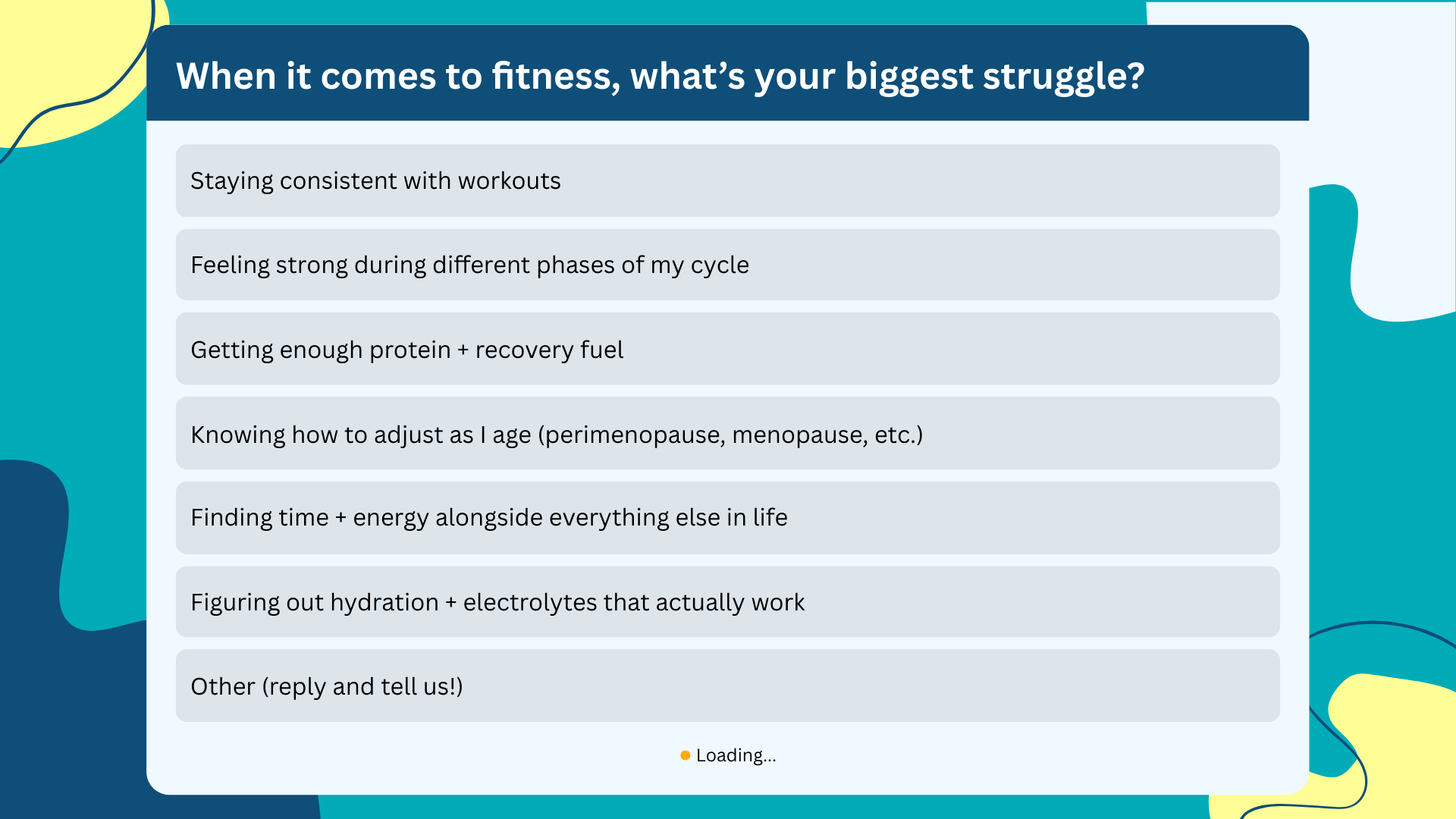
Have more feedback? 💌 Reply to this email and tell us.
✨ P.S. Want more inspiration and positivity to kick off your week? Sign up for our Motivational Monday texts (U.S. only).
👀 Want to see if your company is a good fit for our 100k+ ambitious readers? Join our Sponsor Waitlist here.
Join 301k+ smart women reading The Assist every Wednesday.