If there’s one thing humans are good at, it’s surviving. We’re wired to focus on what’s right in front of us: what needs fixing, what needs attention, what needs to get done. But we don’t always give that same attention to what’s happening inside.
As a therapist in private practice in Los Angeles, I spend a lot of time with people who feel overwhelmed by their own thoughts, emotions, or just the effort it takes to get through the day. And one thing I see over and over again is how little space we give ourselves to pause, take a beat, and check in.
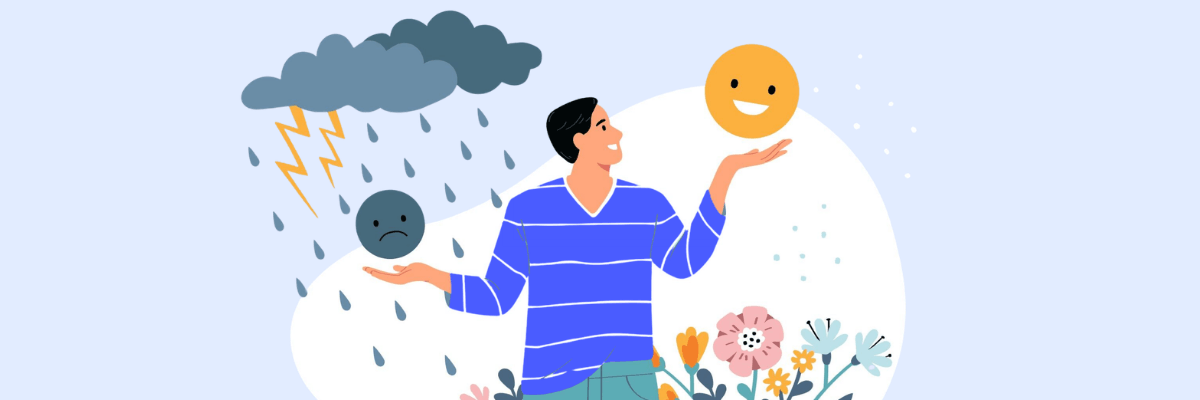
Part of this makes sense. Our brains are wired for survival as they’re constantly scanning for potential threats and trying to keep us safe. But not everything our brain flags requires action. Sometimes what we’re feeling just wants to be noticed, no fix required.
When we start to look inward, we can begin to understand the difference between when something actually needs our attention and when we can create a little space for a feeling to exist without reacting to it. And from there, we can gently support our nervous system in settling so it can recognize safety, not just danger. That’s where we begin to move out of constant survival mode and into something more grounded… and even into moments of contentment and joy.
There’s still quite a stigma around mental health. Our society often encourages us to think it’s easier to fix something outside of ourselves than to gently explore what’s happening within. Mental health is also deeply personal, there’s no one-size-fits-all experience. But somewhere along the way, acknowledging our inner world became associated with being “less than,” instead of being seen for what it actually is: human.
Taking time to understand yourself is resilience. It’s how we move from just getting through the day to feeling more grounded in it. And maybe that’s part of how we not only survive but also do what humans have the potential to do… thrive.
Mental health exists on a spectrum. For some people, it might look like stress or low-grade anxiety that ebbs and flows. For others, it can feel much more intense, impacting daily functioning, relationships, or a sense of safety in their own mind or body.
In those moments, support matters. Turning inward is a meaningful place to start, but you don’t have to do it alone. Therapy, community, and sometimes additional support can be an important part of channeling safety and acting in resilience.
Small ways to begin shifting out of survival mode:
Name what’s happening.
Say to yourself: “I’m feeling anxious” or “this feels like a lot right now.” Naming it can help demystify it.
Ask: “Is this urgent, or does it just feel urgent?
This helps separate what actually needs action from what your brain is reacting to.
Slow your body first.
Before trying to fix your thoughts, take a few slower breaths, unclench your jaw, or drop your shoulders.
Look around you.
Find 3–5 things you can see, their color, and then their function. This helps remind your brain that you’re here, and you’re okay in this moment.
Take a small pause.
Even 30–60 seconds to check in with yourself can create a shift.
Shift how you talk to yourself to invite in compassion.
Try something like: “This is hard, and I’m doing my best.”
You don’t have to do all of this at once and you definitely don’t have to do it perfectly. We’re all wired to survive but this isn’t about getting it right; it’s about taking time to notice what works for you. This journey is anything but linear but that’s the best part about being human, we’re all just figuring it out as we go.

Kate M. Grogan (LMFT)





 Upcoming Events