My energy was actually fine. That’s what threw me. I’ve always associated feeling exhausted with anemia, so when my hair started shedding more than normal and my nails turned brittle and started peeling at the edges, I figured it was just stress.
Turns out it was iron deficiency anemia (IDA), and once I started reading about it, I realized how much I didn’t know.
Here’s the short version: iron deficiency anemia happens when your body doesn’t have enough iron to make hemoglobin, the protein in red blood cells that carries oxygen. But you can run low on iron well before you’re technically anemic.
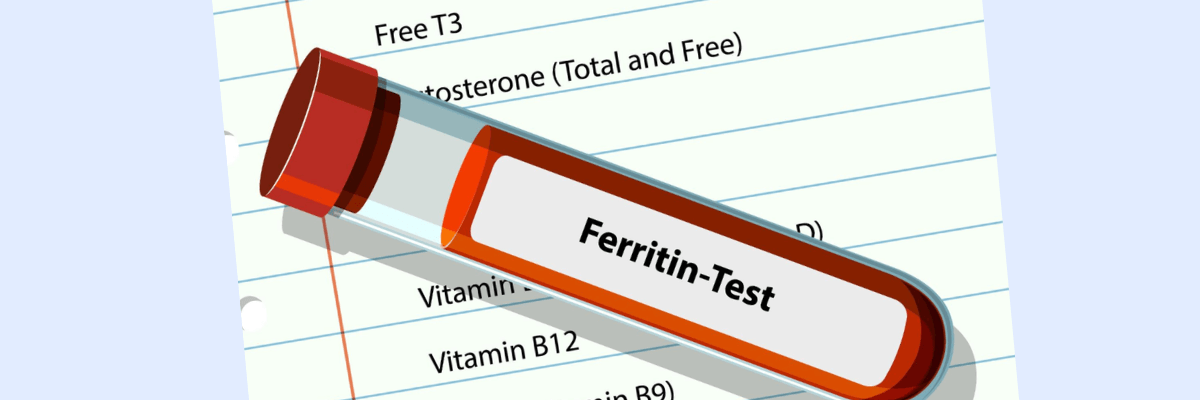
Your ferritin, which is your iron storage level, can drop for months or years while your hemoglobin still reads normal on a standard blood panel. That’s exactly what got me.
My energy felt fine because my hemoglobin hadn’t dropped yet, but my ferritin had, and that’s often what shows up first in your hair and nails, not your energy.
Common causes: heavy periods, pregnancy, a diet low in iron-rich foods, or something that’s reducing how much iron you actually absorb, like low stomach acid or celiac disease. Mine turned out to be a combination my doctor and I are still sorting out, which is its own annoying process.
If any of this sounds familiar, here’s what I’d tell a friend:
1. Ask for a ferritin test, not just hemoglobin. A standard CBC can look completely normal while your ferritin is in the basement. If your hair, nails, or energy have changed and you can’t explain why, ask your doctor to check ferritin specifically.
2. Pair your supplement with vitamin C. Vitamin C can significantly boost how much iron your body absorbs, so a glass of orange juice or a vitamin C tablet alongside your iron pill actually helps.
3. Keep it away from coffee, tea, calcium, and antacids. All four block absorption. I take mine first thing in the morning and wait at least two hours before my coffee.
4. Ask about every-other-day dosing. This one surprised me. Newer research suggests taking iron every other day, instead of daily, can actually improve how much your body absorbs, because it gives your body’s iron-regulating hormone time to reset between doses.
5. Layer in iron-rich food too. Red meat, poultry, and seafood contain the type of iron your body absorbs most easily. Plant sources like spinach, lentils, beans, and fortified cereals help too, especially paired with something high in vitamin C, like bell peppers or strawberries.
6. Expect a slow, occasionally unpleasant timeline. Iron can upset your stomach or leave you constipated, so my doctor and I adjusted the dose until we found one I could tolerate. Rebuilding iron stores can take months, so give yourself grace with how slow it feels.
I’m not a doctor, so this is what worked for me, and I ran every change by mine first. But if something in your hair, nails, or energy has felt off lately, it might be worth asking for that ferritin number.
It’s one blood draw, and for me, it explained a lot.

Kristel (Marketing Ops)





 Upcoming Events