My mom is convinced a natural disaster is always right around the corner. Earthquake, tsunami, war breaking out somewhere, honestly zombies if you let her keep talking. Her whole algorithm is doomsday planning and earthquake drills.
In her defense, she has a mobility disability, so in a real emergency she doesn’t feel like she has a lot of control over how she’d get herself out. When you think about it that way, the worry makes total sense.
And she’s not entirely off base, either. There have been a string of earthquakes near Venezuela and elsewhere lately, and AI data centers and strain on the grid is increasing, so concerns about power outages are rising too. El Niño is set to hit hard this fall, producing erratic weather globally.
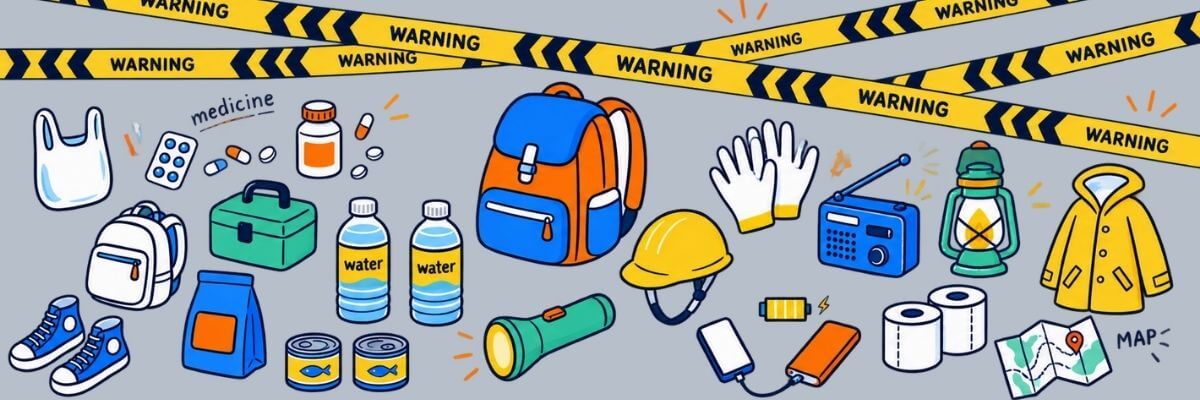
So she’s been Amazon-delivering me the start of an emergency kit. Here’s the part that makes this worth your time even if you’re not the least bit paranoid about tornadoes, hurricanes, or the grid going down: almost all of it doubles as camping and road-trip gear. Prepared or just outdoorsy, same shopping cart.
Power for when the grid goes down
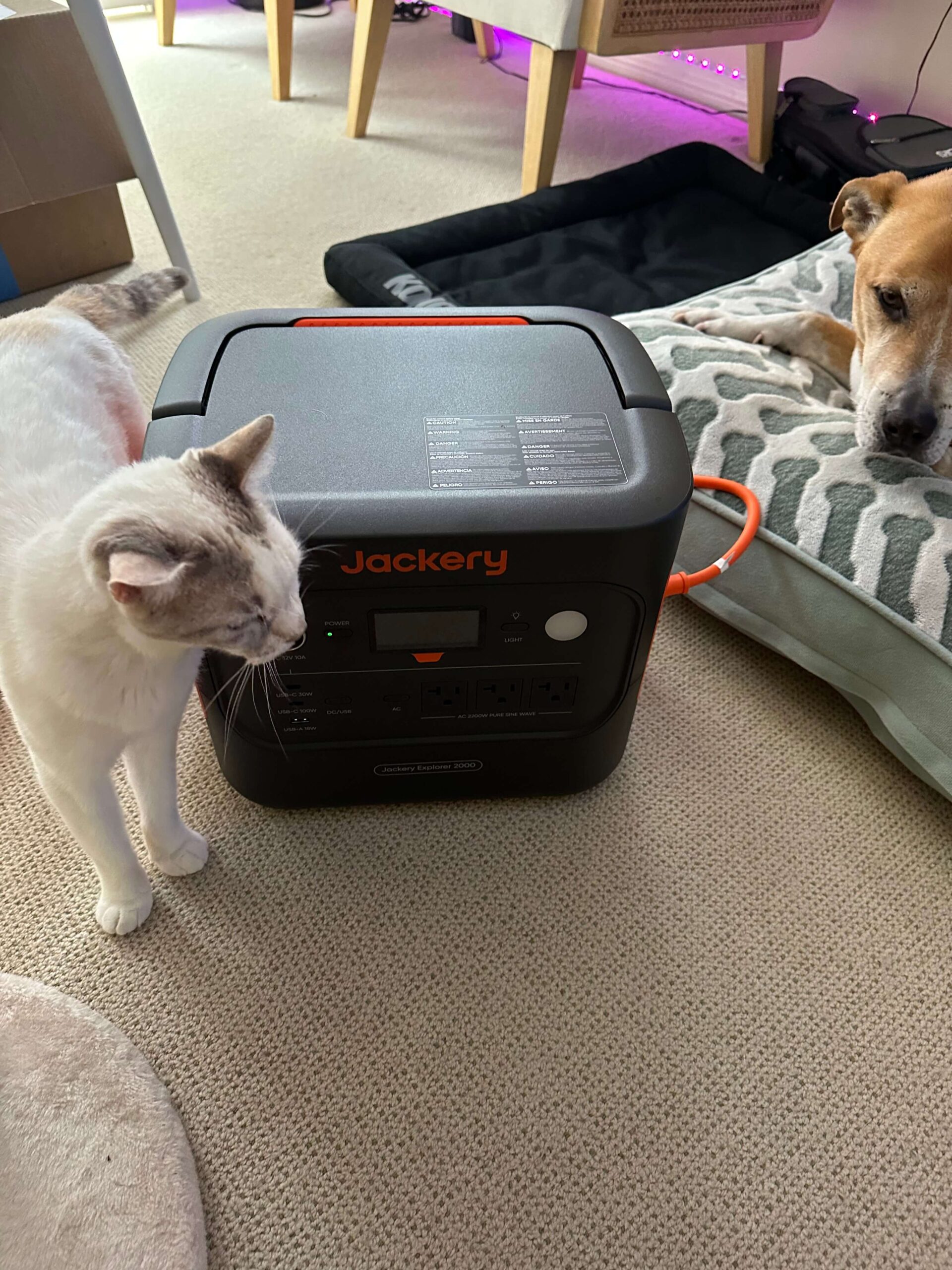
The big one is a Jackery portable generator. Joanna’s husband just got one (photobombed above with their babies, Tofu and Dino), and my dad actually bought me one back during COVID, when none of us knew what was coming. To give you an idea: it charges an iPhone 16 about 13 times, tops up a MacBook Air three and a half times, runs a TV for four hours or a projector for two and a half. It comes with a solar panel, so even off-grid you can get it back to 80% in about an hour. If that’s more firepower than you need, there’s a smaller $269 version that covers the basics.
Light and information
When the power’s out and your phone is rationed, you want a radio that doesn’t depend on either. This solar-powered emergency radio keeps you on top of news and weather alerts with nothing but sunlight.
For the office (or any hallway you’d have to feel your way down in the dark), there’s an emergency lighting station that switches on the second the power drops. The body is photoluminescent, so it glows in total darkness and you can actually find it, and it sits in a clear, tamper-proof case you mount right to the wall.
The stuff that costs almost nothing and matters most
Gear is the fun part. This next stuff is what actually saves you.
A stocked first aid kit: kept somewhere everyone in the house can find without asking.
Your medications. If you take anything daily, work a few days’ supply into your kit and keep a copy of your prescription list with it. A pharmacy might not be open or reachable right when you need a refill.
Water, more than you think. The standard is one gallon per person per day, and you want at least three days’ worth on hand. You can buy these pouches or tabs.
And a plan for when cell service goes down, because it will. Pick a spot where your family meets if you can’t call each other, and choose one out-of-town person everyone checks in with. Want it done in five minutes?
Ask ChatGPT: “Build me a one-page family emergency plan for a household of [X] in [my city], including a meeting spot and a no-cell-service communication plan.” Then print it and stick it on the fridge.
Start with a checklist
For the complete rundown, Ready.gov’s kit checklist is the official gold standard, and you can print REI’s version to take straight to the store.
You don’t have to go full doomsday prepper to be the person who’s ready, and preparing for a disaster doesn’t make you a pessimist weirdo.
Pick one thing off this list this week and start there. Then call your mom. Mine will be thrilled to hear you did.

Thania (TA Content Mgr)




 Upcoming Events