

The house goes quiet. The lights go off. After a full day of work, responsibilities, and decisions, your body is finally ready to rest.
But instead of drifting off, your brain decides it’s time to review tomorrow’s schedule, replay old conversations, and remind you of everything you forgot to do.
Sound familiar?
Sleep problems are incredibly common, and they’re rarely caused by just one thing. More often, they’re the result of habits, stress, environment, and physiology all working together to keep your brain awake when your body is exhausted.
What’s Actually Keeping You Awake
The good news? Most sleep issues are surprisingly fixable once you identify what’s actually causing them.
Physical tired makes sense—after a long workout, a red-eye, a full day of manual work, the body spent fuel and needs recovery. Mental tired is harder to explain, and easier to ignore.
It builds from hours of being “on”: making decisions, managing people, answering messages, anticipating what might go wrong, tracking what’s due, quietly holding responsibilities that never make it onto any official list. That load doesn’t clock out at 5 p.m. For a lot of people, bedtime is the first moment of genuine silence all da, which is exactly when it finally surfaces.
Sleep problems rarely come down to one thing. They’re usually a tangle of habits, physiology, and environment that quietly compound each other. Here’s what’s most commonly at the root.
1. The nervous system doesn’t downshift automatically
Spending the day in reactive mode, rushing, problem-solving, staying alert, doesn’t prime the body for easy sleep. The nervous system needs a transition period, and most people don’t give it one. The result is physical exhaustion paired with mental alertness: that wired-but-tired state that feels contradictory but is actually a predictable physiological response to sustained stress.
2. Irregular sleep timing disrupts the body’s internal clock
The body runs on rhythm. Going to bed at wildly different times throughout the week throws off the circadian clock—the internal system that governs when sleepiness hits and when alertness peaks. Sleeping in on weekends feels like recovery, but it often makes Monday nights harder. Rough consistency in timing, even imperfect, matters more than most sleep advice acknowledges.
3. Caffeine’s window is longer than most people assume
Caffeine’s half-life is about five to seven hours. That 3 p.m. coffee could still be 50% active in the system at 9 p.m. The tricky part: it’s still possible to feel tired because exhaustion and physiological sleep readiness aren’t the same thing. Relying on caffeine to compensate for bad sleep, while bad sleep persists partly because of caffeine, is a loop worth identifying.
4. High stimulation right up until bedtime
It’s not just screens. Intense TV, stressful conversations, work emails, doomscrolling, emotionally charged podcasts—all of it keeps the brain in active processing mode. Without a buffer between stimulation and sleep, the brain hasn’t received any signal that it’s time to wind down. The transition gets skipped entirely.
5. Trying to force sleep makes it harder
Clock-checking, calculating how many hours are left, mentally coaching into relaxation—all of it activates the stress response. Sleep doesn’t respond well to effort. The more deliberately someone chases it, the more elusive it becomes. This performance anxiety around sleep is common and self-reinforcing.
6. Environmental factors that go unexamined
Sometimes the best sleep fix is not a supplement or another habit. It’s solving the specific thing that keeps interrupting your sleep. If light, noise, temperature, discomfort, or racing thoughts are the real issue, the right sleep product can make your bedroom feel much easier to rest in.
What Actually Helps
1. Offload tomorrow before bed
One of the simplest ways to quiet a busy mind is to get your thoughts out of it.
Spend five minutes writing down tomorrow’s tasks, reminders, and anything unresolved. When your brain knows the information is stored somewhere safe, it becomes easier to let go.
2. Create a wind-down routine
Your body needs a transition period between the day and sleep.
Try:
- Dimming lights 45–60 minutes before bed
- Putting your phone away
- Taking a warm shower
- Reading something low-stakes
- Light stretching or breathing exercises
Even 20 minutes can make a difference.
3. Stop escalating wakeups
Waking briefly during the night is normal.
What’s not helpful is immediately checking the clock, grabbing your phone, or calculating how little sleep remains. Stay relaxed, keep the room dark, and give your body a chance to settle naturally.
4. Audit your caffeine honestly
If sleep has been a struggle, try eliminating caffeine after 2 p.m. for two weeks and see what changes.
You may be surprised.
Sleep Products Worth Trying Based on What’s Actually Keeping You Up
The best sleep product isn’t necessarily the most advanced.
It’s the one that solves the problem that’s actually disrupting your sleep.
1. If Racing Thoughts Keep You Awake
a. Dodow
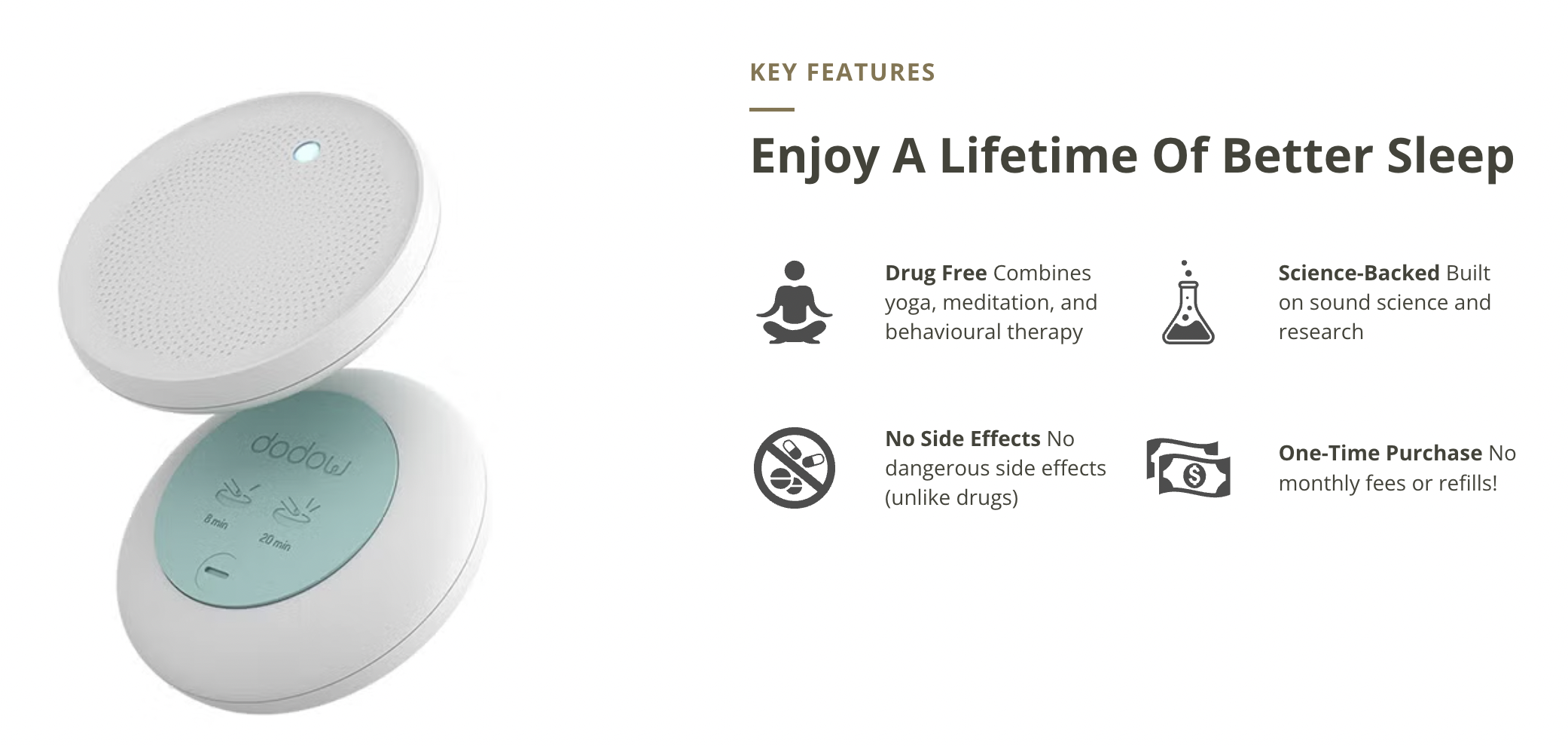
What it is: A bedside sleep aid that uses a rhythmic light to guide slow, steady breathing before bed.
Why we like it: When your body feels tired but your mind won’t slow down, focusing on your breath can help create a gentler transition into sleep. Dodow projects a soft pulsing light that encourages slower, more controlled breathing, helping you shift attention away from racing thoughts and into a more relaxed state. Its simple, screen-free design makes it easy to incorporate into a nightly wind-down routine at home or while traveling.
👉 Create a calmer path to sleep with Dodow.
b. VelaSleep

What it is: A cervical support pillow designed to help relieve pressure on the neck while promoting better alignment during sleep.
Why we like it: Sleep quality isn’t just about falling asleep—it’s also about staying comfortable throughout the night. VelaSleep’s cervical decompression design helps support the natural curve of the neck, which may reduce discomfort, stiffness, and the constant repositioning that can interrupt restful sleep. For people who regularly wake up with neck tension or soreness, the right pillow can make a surprisingly noticeable difference.
👉 Wake up feeling more supported and refreshed.
2. If Noise Is Disrupting Your Sleep
 Sometimes the solution is surprisingly simple.
Soft sleep earplugs can help block traffic, apartment noise, snoring, and other common disruptions. If earplugs aren’t your thing, a quality white noise machine can help mask inconsistent sounds that keep pulling your brain back to alertness.
👉 Reduce nighttime distractions and create a quieter sleep environment.
3. If Light Is Disrupting Your Sleep
TheraICE Sleep Mask

What it is: A cooling sleep mask designed to block light and create a more relaxing sleep environment.
Why we like it: Even small amounts of light can affect sleep quality. TheraICE combines darkness and cooling comfort to help create better conditions for rest.
👉 Make your bedroom darker and more relaxing.
For a longer-term solution, blackout curtains or blackout shades can dramatically improve sleep quality, especially if early morning sunlight or streetlights are affecting your rest.
4. If You’re Sleeping Hot
Waking up hot can sabotage an otherwise good night of sleep.
Before investing in expensive cooling technology, start with breathable sheets, cooling pillowcases, lightweight bedding, and a cooler room temperature.
 For people who consistently wake up overheated, a bed-cooling system may be worth considering, particularly for couples who prefer different sleeping temperatures.
👉 Start with breathable bedding before moving to more advanced cooling solutions.
5. If Your Sleep Setup Isn’t Comfortable
KneNest Knee Pillow

What it is: A knee pillow designed for side sleepers.
Why we like it: Proper alignment can reduce pressure on the hips, knees, and lower back while making side sleeping more comfortable.
👉 Sleep more comfortably through the night.
6. If Your Phone Is the Problem
Many people don’t have a sleep problem.
They have a scrolling problem.
If social media, email, news, or endless videos are stealing an extra hour of sleep every night, creating friction can help. Consider charging your phone outside the bedroom, using a separate alarm clock, or using a physical app-blocking tool that makes late-night scrolling less accessible.
👉 Make good sleep the easier choice.
7. If Mornings Feel Brutal
A sunrise alarm clock gradually brightens before your alarm goes off, helping create a gentler wakeup experience.
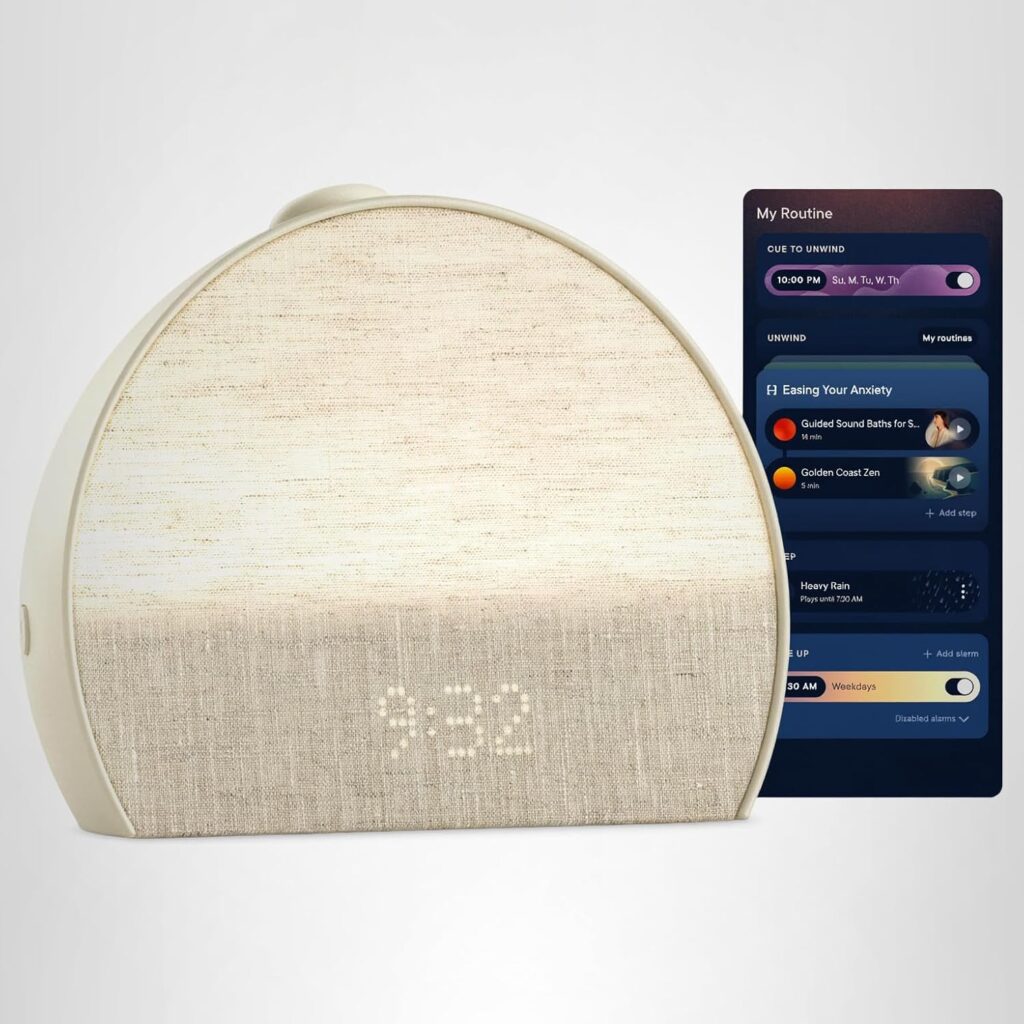 For people who struggle with dark mornings, seasonal changes, or harsh alarms, it can make waking up feel significantly less jarring.
8. If You Love Data
Sleep trackers and smart rings can help identify patterns related to stress, travel, exercise, alcohol, and bedtime consistency.
 Just remember: data is information, not a solution.
A tracker won’t make a bright room darker or a noisy room quieter.
👉 Use sleep data to guide better habits—not replace them.
9. If You’re Focused on Creating a Better Sleep Environment
Heal Naturally Grounding Sheets
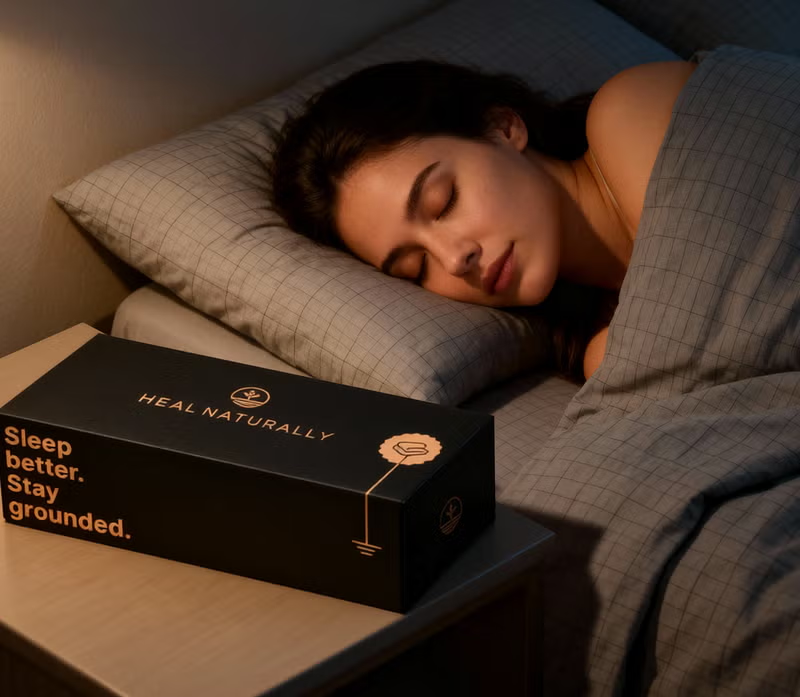
What it is: Grounding sheets designed to complement a wellness-focused sleep setup.
Why we like it: Many people focus on routines while overlooking their sleep environment. Grounding sheets can help create a more intentional and restorative bedroom space.
👉 Create a sleep environment designed for recovery.
10. If Restlessness Is Keeping You Awake
Some people find deep pressure calming.
 Weighted blankets and weighted sleep masks can help create a sense of comfort and relaxation that makes it easier to settle into sleep. They’re especially popular among people who struggle to relax physically at night.
👉 Create a cozier, more calming sleep experience.
Supplements Worth Knowing About
No supplement fixes structural sleep problems, but a few have real evidence behind them for lowering the physiological barriers to sleep. These work best alongside good sleep habits, not instead of them.
1. Magnesium Glycinate: Magnesium plays a direct role in regulating the nervous system and activating GABA receptors, which help quiet brain activity. Glycinate is the chelated form best absorbed without GI issues. Many people are deficient without knowing it. Typical dose: 200–400mg taken 30–60 minutes before bed.
⚠ Always check with a doctor if you’re on medications or have kidney issues. Magnesium oxide (the cheap version) has poor absorption — look for glycinate or threonate.
2. Magnesium L-Threonate: A newer form of magnesium developed specifically to cross the blood-brain barrier. Some research suggests it may be particularly effective for reducing nighttime anxiety and racing thoughts. Pricier than glycinate but worth considering if your issue is primarily mental activity rather than physical tension.
⚠ Less data than glycinate; still promising.
3. Low-Dose Melatonin (0.5–1mg): Melatonin is a timing signal, not a sedative. Most people take far too much—5–10mg doses are common but can cause grogginess, vivid dreams, and disrupted cycles. Low doses (0.5–1mg) taken 60–90 minutes before your desired sleep time are more aligned with how the body actually uses it.
⚠ If you’re taking 5mg+ regularly, consider stepping down. More is not better with melatonin.
4. L-Theanine: An amino acid found naturally in green tea. Promotes calm without sedation by increasing alpha brain waves—the same state associated with relaxed alertness. Often stacked with magnesium. 100–200mg before bed is a common dose. Well-tolerated with minimal side effects.
⚠ Not a sleep drug. Works best for people whose main issue is difficulty relaxing the mind, not difficulty feeling sleepy.
5. Ashwagandha (KSM-66 or Sensoril): An adaptogen with a growing body of research on cortisol reduction and sleep qualit particularly for people whose sleep issues are driven by chronic stress. Takes several weeks of consistent use to show effects. Look for standardized extracts (KSM-66 or Sensoril) rather than raw powder.
⚠ Not for everyone. Can interact with thyroid medications and sedatives. Best taken at night with food.
Getting Real Answers: Sleep Doctor
Most sleep advice is generic—cut caffeine, put your phone down, try melatonin. It’s not wrong, but it treats symptoms without identifying what’s actually driving the problem.
Sleep Doctor’s assessment goes deeper. It covers sleep onset, overnight waking, daytime functioning, stress levels, caffeine and alcohol patterns, sleep consistency, and behavioral habit, and it connects them into a coherent picture rather than handing back a checklist. The value isn’t any single recommendation. It’s seeing which patterns are compounding each other, and why the usual fixes haven’t stuck.
Feeling exhausted all day but wired at night isn’t just a quirk of personality. It’s a specific physiological pattern with specific causes, and identifying it clearly is more useful than cycling through random interventions.
Who it’s most useful for: Anyone who’s tried random sleep fixes without improvement, people who feel like their sleep problem is “just how they are,” or anyone experiencing persistent daytime fatigue that doesn’t match how much time they spend in bed.
→ Take the Sleep Doctor assessment.
When to Pay Closer Attention
Not every rough night means something is wrong. Sleep varies. But persistent patterns are worth addressing rather than normalizing.
Talk to a doctor or sleep specialist if you regularly experience:
- Difficulty falling asleep most nights despite genuine fatigue
- Waking multiple times overnight and struggling to get back to sleep
- Consistently waking too early and being unable to return to sleep
- Feeling unrefreshed even after 7–9 hours in bed
- Loud snoring, gasping, or being told you stop breathing at night (possible sleep apnea)
- Heavy daytime fatigue that affects your functioning, mood, or ability to concentrate
- Needing caffeine to function every single morning without exception
These patterns are worth a conversation with a doctor, not just another sleep hack. Sleep apnea alone affects an estimated 1 billion people worldwide, is vastly underdiagnosed, and no supplement or wind-down routine addresses an airway obstruction.
The Bigger Picture
There’s a lot of pressure around sleep right now—track the score, hit 8 hours, optimize REM, time every supplement. That pressure tends to backfire. Sleep improves when the conditions for it are right, not when it becomes another metric to perform against.
Some nights are hard regardless. That’s not a failure of routine or discipline. Sleep quality varies, and chasing a perfect score usually makes it worse.
When the body is exhausted but the brain won’t cooperate, it’s almost always a sign that something upstream hasn’t been addressed; not a character flaw to push through.
Start with one change. The wind-down buffer. The caffeine cutoff. Five minutes of writing before bed. Or the Sleep Doctor assessment for a clearer read on what’s actually going on. One honest starting point beats a perfect plan that never gets implemented.
Note: This article is for informational purposes only and does not constitute medical advice. Always consult a healthcare provider before starting any supplement, especially if you take medications or have existing health conditions.