✅ Today’s Checklist:
- Take back your time when work won’t stop interrupting
- Keep morale steady without financial incentives
- A reminder not to settle when you’re capable of more
🤔 Riddle me this: I’m the only thing you can spend without paying, yet you still end up owing. What am I? (Find the answer on the bottom).
QUICK LINKS
💸 Here are all the ways to file your taxes for free in 2026.
🧭 Try the GPS Method to figure out your next career move.
😬 How to spot and stop toxic positivity at work before it spreads.
📉 Uncover the silent biases in performance reviews that hold women back.
TIME MANAGEMENT

If Everyone Needs You All Day, You’re Not Actually Doing Your Job
You sit down with a real plan for the day. Not busywork. Actual thinking. The kind of work that requires focus and experience.
Then it starts.
Slack lights up. Emails roll in. Teams pings. A text. Someone “quickly” needs your input. Another person wants a gut check. Someone else just needs reassurance.
By mid-afternoon, your to-do list is untouched. You have been working all day, yet nothing meaningful moved forward.
This is what happens when leadership work gets crowded out by constant access.
Figure out why this keeps happening
Before you try to fix the interruptions, get honest about what’s causing them.
Are you the only source of truth?
If your team comes to you for every answer, decision, or update, the system only works when you are available.
Are you the default decision-maker?
If progress depends on your sign-off, people learn to wait instead of act.
Is your team unclear on what they own?
When authority is vague, interruptions fill the gap.
Most leaders recognize themselves in at least one of these. Often it’s more than one.
Create systems so people can find answers without you
If you keep answering the same questions, that knowledge needs a home outside your head.
Build resources your team can check before they reach for you.
Start with asynchronous documentation:
- Standard operating procedures (SOPs) for recurring tasks
- FAQ documents for common questions
- Dashboards that show progress and key metrics
- A shared knowledge base or company wiki where information lives
When people know where to look, they stop interrupting you by default.
Set clear rules for interruptions
Being accessible does not mean being on call all day.
Decide when interruptions are appropriate and make that visible.
Create office hours.
Choose a daily window for questions and guidance. From 10–11 am, you are available. Outside of that, documentation comes first and non-urgent questions wait.
Protect focus time on your calendar.
Block it and name it clearly. Labels like “Deep Work” or “Heads Down” set expectations. Over time, your team learns that this time is off-limits unless something truly cannot wait. Time blocking works when it is visible and consistent.
Define what “urgent” means.
Urgent work stops everything else. Most things do not qualify.
Boundaries feel awkward at first. Then they become normal.
Stop being the approval choke point
When every decision routes through you, momentum slows across the board.
Ask yourself:
- Which decisions am I holding onto out of habit?
- Which approvals could move forward without me?
- Who is ready to make final calls with context instead of permission?
Leaders who act as bottlenecks often believe they are protecting quality. In reality, they are stalling progress.
Delegation works when it builds judgment, not dependency. Strong teams are trusted to decide.
Start with low-risk approvals. Expand as confidence builds.
Build a team that can move without you
Frequent interruptions usually come from unclear expectations and shaky decision rights.
Coach for judgment.
Walk through how you would think about a decision. Next time, ask them to walk you through theirs.
Acknowledge initiative.
When someone solves a problem without looping you in, reinforce it. Silence often teaches people they overstepped.
Clarify decision rights.
Spell out what people own and when escalation is expected.
Teams that feel trusted move faster.
Treat your time like the finite resource it is
Turn off non-essential notifications. Check Slack and email intentionally instead of reacting in real time. Use Do Not Disturb when you need to think.
Constant availability is not a requirement of seniority.
This does not fix itself
The interruptions will not taper off on their own. You have to design a better system.
That means documentation, clear ownership, and boundaries you actually keep.
If nothing changes, you stay reactive. And the work that requires your experience never gets the space it deserves.
Fix the system. Your calendar will follow.
WORKPLACE SAFETY
Preparedness Is Part of Leading People
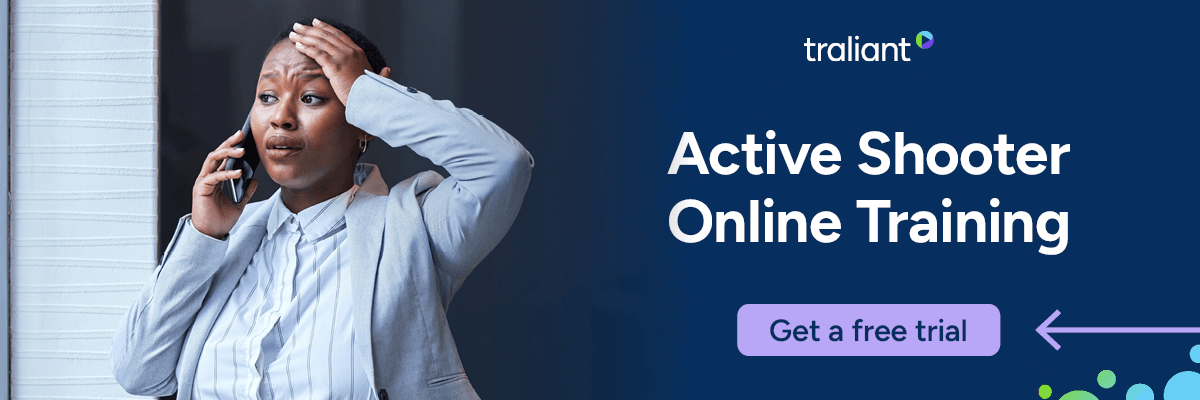
Active shooter incidents may feel unthinkable, but most occur in workplaces, and many organizations still aren’t prepared. For HR leaders, this is about readiness, responsibility, and protecting people when seconds matter.
Traliant’s Active Shooter Response training equips employees with clear, practical guidance using realistic workplace scenarios and the FBI-endorsed Run, Hide, Fight framework. Employees learn exactly how to respond in critical moments, so they aren’t panicking or guessing.
This is preparation handled responsibly, with people at the center.
BIGGEST CHALLENGE

What Actually Keeps Teams Motivated When Budgets Are Tight
“My biggest challenge is finding ways to motivate my team that don’t have anything to do with money.” — Abbie C.
Anyone who’s managed people for more than a few years has run into this. Compensation matters, but it rarely explains why one team stays engaged while another burns out under the same constraints.
What moves motivation day to day tends to be simpler, more human, and easier to overlook.
Here’s what consistently works when spending more isn’t on the table.
Acknowledge wins as they happen
People want to know their effort is noticed. Celebrating progress reinforces that it is.
Call out milestones, problem-solving, and follow-through in real time. A Slack message, a quick note in a meeting, or a company-wide mention creates momentum without turning recognition into a performance.
Small wins matter here. Finishing a tough project, helping a teammate, or showing up with consistency all count.
Make progress visible
Many teams are working hard without a clear sense of movement.
Visual progress trackers help close that gap. A shared dashboard, a whiteboard in the office, or a Notion page makes progress tangible.
Think less corporate scorecard, more adult version of a chore chart. People stay engaged when they can see where they started and how far they’ve come.
Use awards people actually remember
Yes, awards and trophies still work. Fun, lightweight recognition gives teams shared language around contribution.
A rotating MVP, a problem-solver award, or a team-player nod doesn’t need a budget. A printed certificate, a thrift-store trophy, or simple public recognition does the job.
What sticks isn’t the object. It’s the moment of being seen.
Keep the bigger picture front and center
Teams lose energy when work feels disconnected. Shared vision creates alignment.
Connect daily tasks to outcomes that matter. Show how the work impacts customers, colleagues, or the business. Revisit this regularly, not just during planning sessions.
People stay engaged when they know what they’re building toward.
Trust people with ownership and growth
Motivation increases when people feel trusted and challenged.
Offer real ownership. Support autonomy. Create stretch opportunities, skill-building moments, and chances to lead.
Growth signals investment, even without a budget line.
What teams respond to most
Recognition, visibility, purpose, and trust.
Those signals are available to every leader, regardless of budget.
EXECUTIVE READINESS
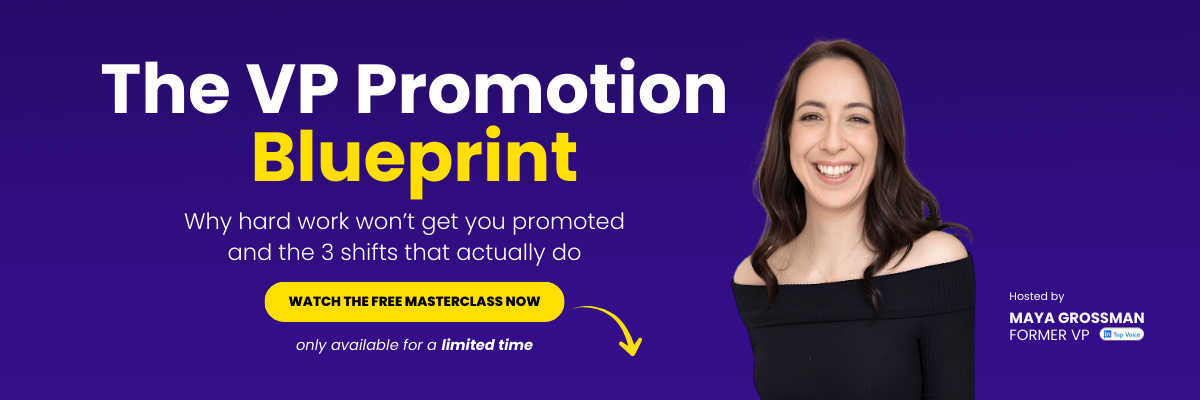
Why Some Leaders Advance and Others Plateau
Every year starts with the same question for ambitious leaders: why do some people move into Director or VP roles while others stay exactly where they are?
It usually isn’t about effort or performance. Promotions at that level hinge on how clearly someone is perceived as ready to lead at scale.
In this free, on-demand masterclass, executive coach and former VP Maya Grossman breaks down the three mistakes that quietly stall high performers and the shifts that help leaders show up on the right radar early in the year.
You’ll learn how to:
- Shift from dependable executor to strategic leader
- Build visibility with the people who actually influence promotions
- Position your work so advancement feels intentional, not arbitrary
Leaders who move up don’t wait until review season to get clear on their trajectory. They start the year with a point of view about where they’re headed and why.
STAFF PICKS
Stuff We’re Loving This Week
🎥 Video content that stays consistent without turning into a second job.
👉 Steal this proven framework to measure AI progress within your organization on Feb 25. RSVP for Free.
🗞️ Business news that doesn’t feel like business news (and read by 1.5M entrepreneurs & future founders).
🦷 An easier way to floss when string floss never sticks.
JUST FOR FUN

COMMUNITY
 Upcoming Events
- Thurs 2/12 @ 9AM PT: Dynamic Coaching
- Fri 2/20 @ 10AM PT: Automation Workshop (SGS Only* | Join the waitlist)
- 2/25 @ 11AM P T: How to Measure AI Success
 Template Drop
- Modern Neutral Business Card Template
- How to Be More Productive at Work
- GoalsHQ Template (SGS Only* | Join the waitlist)
* Smart Girl Society is our private community for women who want deeper conversations, accountability, and tools that actually make life easier. Join the waitlist to get in the next round.
 Work Wisdom of the Week: “Don’t be complacent in your career. Growth is everywhere around you.” — Priya Deolall


SPILL THE TEA
Take Our Poll
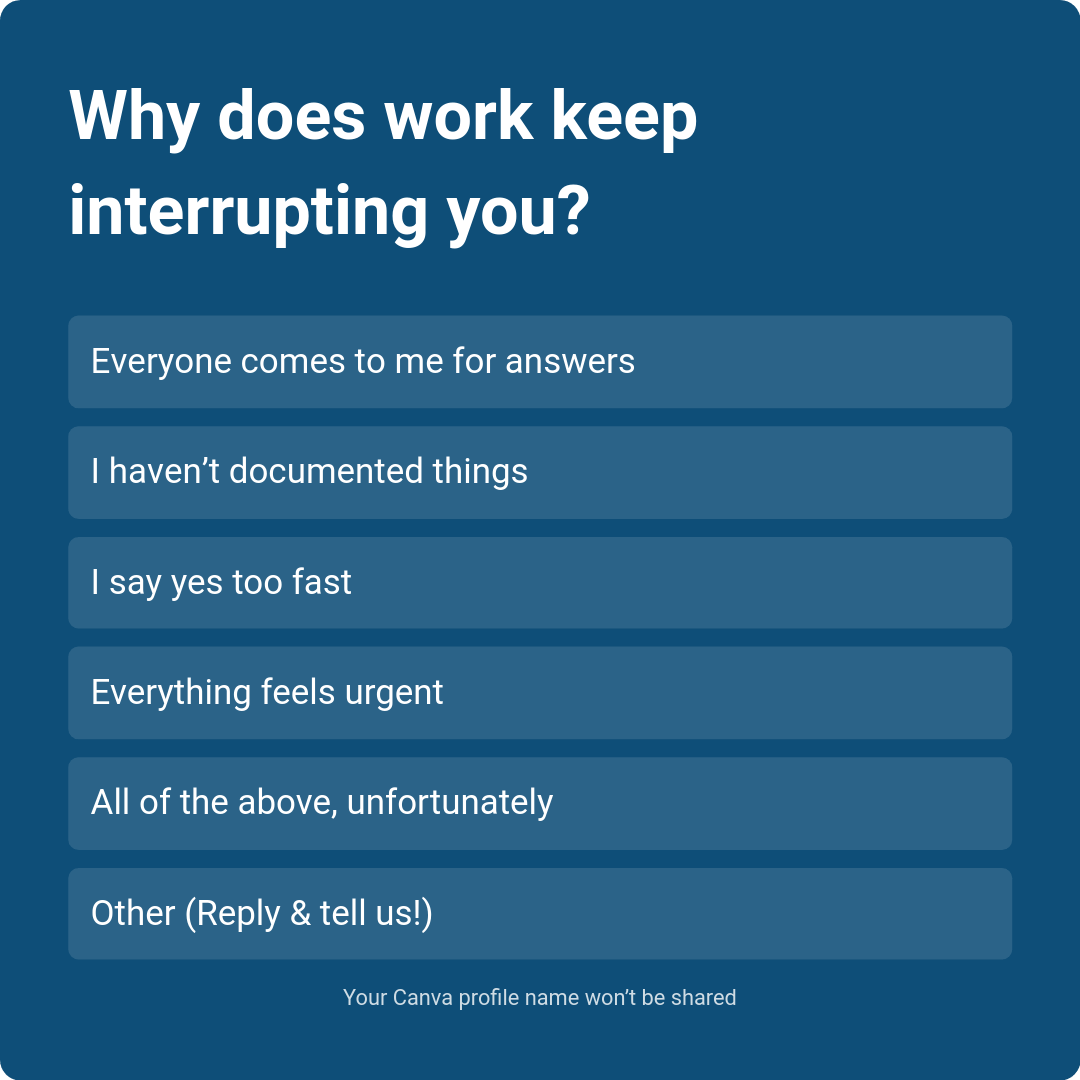
Have more feedback? 💌 Reply to this email and tell us.
✨ P.S. Want more inspiration and positivity to kick off your week? Sign up for our Motivational Monday texts (U.S. only).
👀 Want to see if your company is a good fit for our 250k+ ambitious readers? Join our Sponsor Waitlist here.