✅ Today’s Checklist:
- Why no one should be working a 12 hour workday
- Your AI fears, answered honestly
- Why being busy shouldn’t be the barometer of your success
🤔 Riddle me this: I exist to keep things out, but my real job is to keep you in — your energy, your time, your focus. Most people only build me when they’re already running on empty. What am I? (Find the answer on the bottom).
QUICK LINKS
⚖️ Help managers make fair, consistent decisions and reduce workplace risk before issues escalate.
🚀 Build a stronger workplace culture with these top employee recognition tools.
👩🏻💻 When to use AI in your job search and when it’s actually hurting your chances.
🎸 Starting a new hobby as an adult literally slows your brain’s aging process.
CAREER BALANCE
Why No One Should Work a 12-Hour Workday
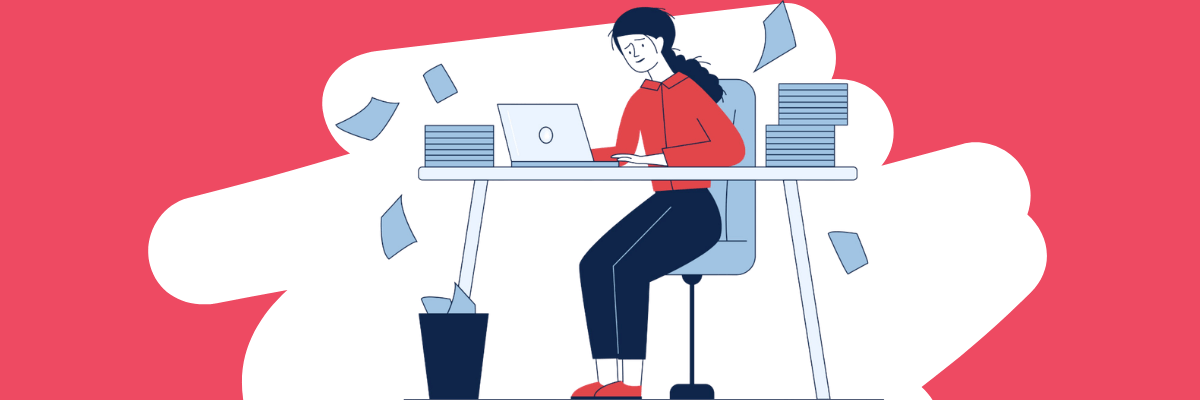
Somewhere along the way, the 12-hour workday got repackaged as ambition. As dedication. As what separates the serious people from everyone else. A lot of people have started treating it like a badge.
And that’s a problem.
To be fair: some industries are genuinely built this way. Finance, law, medicine, early-stage startups — there are fields where long hours are part of the structure, and if you signed up for one of them knowing that, this is a different conversation. Temporary crunch seasons with a defined end date also exist and are real. That’s not what this is about.
This is about the 12-hour day that crept in without your consent. The one that became your normal without ever being discussed, agreed to, or compensated for. The workday that keeps going because it always has… and nobody has ever questioned it, least of all you.
But it’s absolutely worth questioning.
You Teach Your Job How to Treat You
Every time you answer an email at 11pm, you’re telling your employer that 11pm is a reasonable time to expect a response. Every time you work through a vacation, you’re signaling that your OOO is flexible. Every time you stay until 9pm without pushing back, you’re teaching the people around you that this is what you’re available for.
Your employer isn’t reading your mind. They’re reading your behavior. And if your behavior says “I’m available all the time,” their expectations will follow.
So ask yourself the question that cuts right to it: what would actually happen if you just worked the 8 or 9 hours you were originally hired for and logged off? What would break? More often than you think, the answer is: not much. The work would get done differently, or priorities would get set, or someone else would pick it up because organizations adapt when they have to.
And for what it’s worth: research shows that output per hour drops sharply above 50 hours a week, and that someone logging 70-hour weeks produces about the same as someone working 55.
Be the Change Agent, Not the Complainer
If the workload is genuinely too much, complaining about it in private doesn’t fix it. You have to manage up, and come with something more than a problem.
Start by diagnosing what’s actually creating the excess. Is it a need for more headcount? Too many meetings that could be emails? A culture of over-documentation? Processes so broken that everything takes twice as long as it should? Lack of clear workflows or ownership?
When you figure out what’s at the root of it, bring that to your manager with a solution attached. “I’ve been consistently working 12-hour days. I want to talk about what’s driving that and what we can do about it.” That’s a different conversation than venting, and it’s one that gives your company the chance to actually address it before you burn out or walk out. The WHO found that working 55 or more hours per week raises your risk of stroke by 35% and heart disease by 17%. Your loyalty to a job is not worth your health.
And Sometimes, It’s You
Here’s the part nobody wants to say: sometimes the job isn’t requiring this. You are.
Maybe you’re a workaholic. Maybe you’ve tied your identity so tightly to performance that slowing down feels like failing. Maybe you’re placing expectations on yourself that nobody asked for. Or (and this is worth sitting with) maybe work has become a way to avoid something else. A relationship, a feeling, a life that feels empty outside of the job. Work can be a very convenient place to hide.
If any of that is resonating, the answer isn’t a calendar block or a manager conversation. It’s a harder, more personal question: why are you actually doing this? What are you getting out of it? And is it actually what you want?
The Questions Worth Answering
Is this a season, or has a season become a standard? Did you sign up for this, or did it creep in? If you drew a hard line at 5pm tomorrow, what would you lose, and what would you gain?
If the honest answers tell you that this isn’t what you want, then it’s time to set the boundary, have the conversation, and come in with solutions and expect them to be taken seriously.
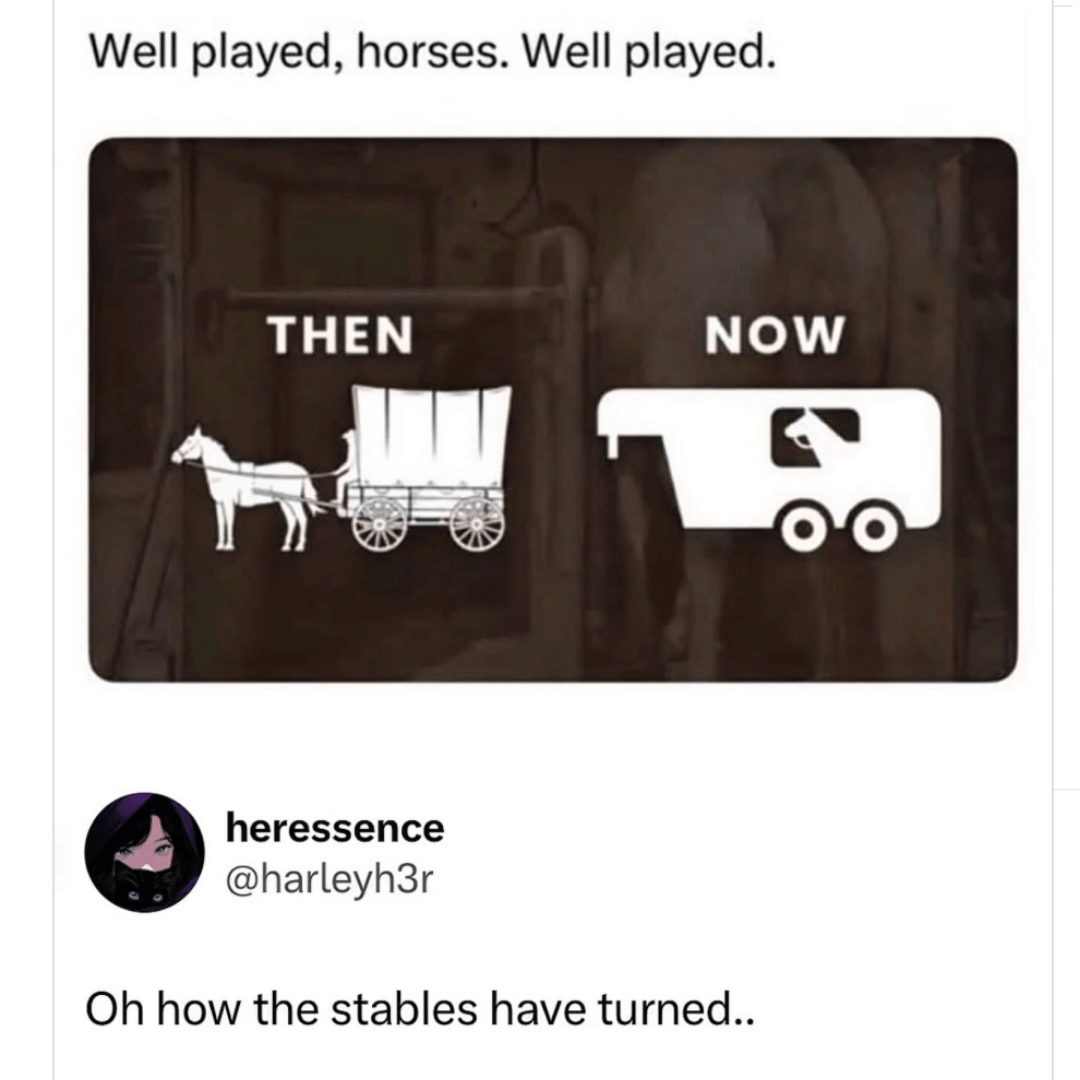
You’re not a work horse unless you agree to be one.
TEAM SWAG
Custom Company Swag Your Team Actually Keeps, Ordered in Minutes.
You’ve ordered swag before. Half landed in a donation box, the other half is in a supply closet nobody opens. Generic pens don’t make a new hire feel welcomed, and chasing a vendor for a rush order the week of an event eats your whole afternoon, so you end up settling for whatever ships on time.
Swag.com puts an entire catalog of brands people actually recognize in front of you, lets you drop in your logo, and shows real pricing before you commit to anything.
You ship onboarding boxes to new hires anywhere, no shipping labels, no spreadsheet of addresses, no last-minute vendor calls. You outfit an entire event with apparel people request by name instead of leaving behind on the merch table. And what you send back gets kept on a desk, not shoved in a drawer, because it’s something someone would have actually picked for themselves.
BIGGEST CHALLENGE
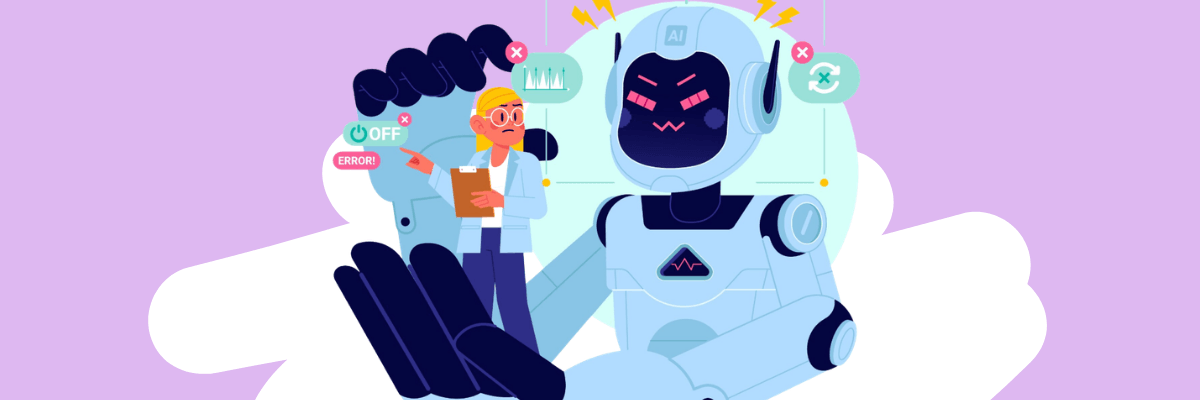
Your Biggest AI Fears, Answered Honestly
AI is everywhere right now, and so is the anxiety that comes with it. We heard from a lot of you about the fears keeping you up at night: job security, privacy, the planet, being replaced. And instead of dismissing those concerns or hyping them up, we wanted to be honest with you.
The truth is, some of your fears are valid, some are overblown, and most of them make a lot more sense once you understand what’s actually going on. So let’s get into it.
“I’m scared AI is going to take my job”
This is the most common fear we heard, and it deserves a real answer. But here’s something that might surprise you: a survey of 6,000 tech professionals found that the number one AI fear isn’t losing your job, it’s being expected to do significantly more work for the same pay. AI raised the bar for output, and for many workers, the reward was just more work.
That said, certain tasks are being automated, and pretending otherwise doesn’t help anyone. What’s also true is that AI tends to change jobs more than eliminate them entirely. The roles that survive are the ones requiring human judgment, emotional intelligence, and relationship-building, things no algorithm has figured out yet.
The best move right now is to get curious rather than defensive. Learn which AI tools exist in your field. Understand what they can and cannot do. The people who struggle most will be the ones who refuse to adapt. Technical skills matter far less than the willingness to keep learning.
“I’m afraid AI will replace me as a person”
This one runs deeper than job security. It’s about identity, relevance, and what it means to be human in a world where machines can write, create, and think.
A fascinating piece of research published in the American Psychologist surveying 10,000 people across 20 countries found that AI fears are deeply tied to psychology, not just economics. People fear AI most in roles they believe require distinctly human traits like warmth, sincerity, and moral judgment.
And that tells us something important: as author Pinar Seyhan Demirdag writes, the human spark — the part that dreams, connects, moves people, and makes moral calls — is not something that can be replicated by an algorithm. Your presence, your story, your specific combination of experience and judgment: those things matter now more than ever, precisely because they are the things AI cannot fake.
“I’m worried about losing my ability to think for myself”
This one came up over and over again in our reader community, and honestly it might be the most underrated concern on this list.
A Reddit thread asking people about their biggest AI fears surfaced this as the top concern: that we’ll slowly stop thinking for ourselves because it’s easier not to. ZDNet calls it “cognitive rot”, the pattern of seeing AI’s output, accepting it without applying judgment, and gradually letting critical thinking atrophy.
The antidote is being intentional about how you use AI. Use it as a thinking partner, not a thinking replacement. Push back on its outputs. Ask it to argue the other side. The people who will thrive are the ones who use AI to sharpen their thinking, not outsource it entirely.
“I’m worried about cybersecurity and privacy threats”
This one is legitimate, and we’re not going to sugarcoat it. A major MIT study surveying 272 AI experts found that AI-enabled cyberattacks ranked among the highest-severity risks over the next five years, with a 12 percent probability of catastrophic outcomes even under best-case mitigation scenarios. The information and finance sectors are considered especially vulnerable.
What does that mean practically? Be intentional about what you share with AI tools. Read the privacy policies on platforms you use. Avoid inputting sensitive personal or company data into public AI tools without understanding where it goes. And stay informed, because the regulatory landscape is moving fast.
The good news is that accountability and oversight are part of the conversation at every level right now, from individual companies to international policy. The risk is real, but so is the response.
“What is AI doing to the environment?”
AI systems require enormous computing power to train and run. That computing power requires data centers. Those data centers consume significant energy and water. The same MIT expert survey flagged environmental harm as one of the risks maintaining a 12 percent probability of catastrophic outcomes even with mitigation efforts.
The balanced view: technology companies are also investing heavily in renewable energy to power those data centers, and AI itself is being used to optimize energy systems and accelerate climate research. The environmental cost is real. So is the potential for AI to be part of the solution.
So what do we actually do with all of this?
Fear makes sense. AI is moving fast, the stakes are high, and nobody has a perfect crystal ball on where this goes. But living inside that fear without taking action doesn’t protect anyone. It just keeps us stuck while the world moves around us.
Stay informed. Stay adaptable. Protect your data. Keep thinking for yourself. And remember that the qualities that make you irreplaceable like your judgment, your humanity, and your relationships, are the exact things AI will never be able to replicate.
The future belongs to the people who stay curious enough to figure out how to work with the tools.
BUSINESS TRAVEL RELIEF
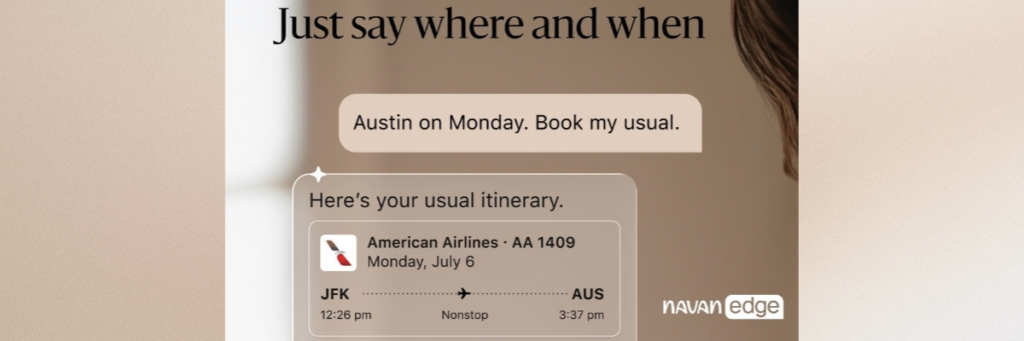
The Trip You’ve Booked Twelve Times Still Takes an Hour to Book
That same client-site trip gets booked a dozen times a year and takes just as long every time: comparing flights, re-entering seat preferences, chasing down loyalty numbers, hunting for the gym-adjacent hotel. Somewhere between the fourth tab and the miles that didn’t credit right, an hour no one had is just gone.
Navan Edge remembers all of it. Say “same as last time” and the usual seat, hotel, and restaurant picks land in one chat, no search required.
Every trip stacks the traveler’s miles, hotel points, and credit card multipliers automatically. The loyalty programs built over years finally work together. Plus 5% back in Amazon gift cards on every hotel stay.
When plans change, a real person steps into the same chat. Nothing moves without approval, and nobody’s rebooking alone at midnight.
STAFF PICKS
Stuff We’re Loving This Week
💄 Joanna’s been using this liner to perfect her cat eye and it actually lives up to the sweat-proof, waterproof claims.
👉 Skip the therapist waitlist: get matched with a licensed therapist online in 2 days, often for a $0 copay.
💕 Heart the Lover is the romance read you’ll devour in a weekend.
☕️ All Healthy delivers wellness to your inbox in just 5 minutes, from nutrition and fitness tips to important health news.
JUST FOR FUN
COMMUNITY
 Upcoming Events
- Wed 8/5 7pm PT: Coworking Session (SGS Only* | Join the waitlist)
- Thu 8/12 @ 9AM PT: Harnessing Change Workshop with NextArrow
- Thu 8/13 @ 10AM PT: Your Voice, Not Theirs: The public speaking class for leaders (SGS Only* | Join the waitlist)
* Smart Girl Society is our private community for women who want deeper conversations, accountability, and tools that actually make life easier. Join the waitlist to get in the next round.
 Work Wisdom of the Week: “Busy doesn’t equal effective. When priorities pile up, don’t speed up, simplify. Focus on what matters most and execute with excellence. Because high-quality work scales. Low-quality work compounds problems.”

Patricia Sotiryadis (AVP, Operations)


SPILL THE TEA
Take Our Poll
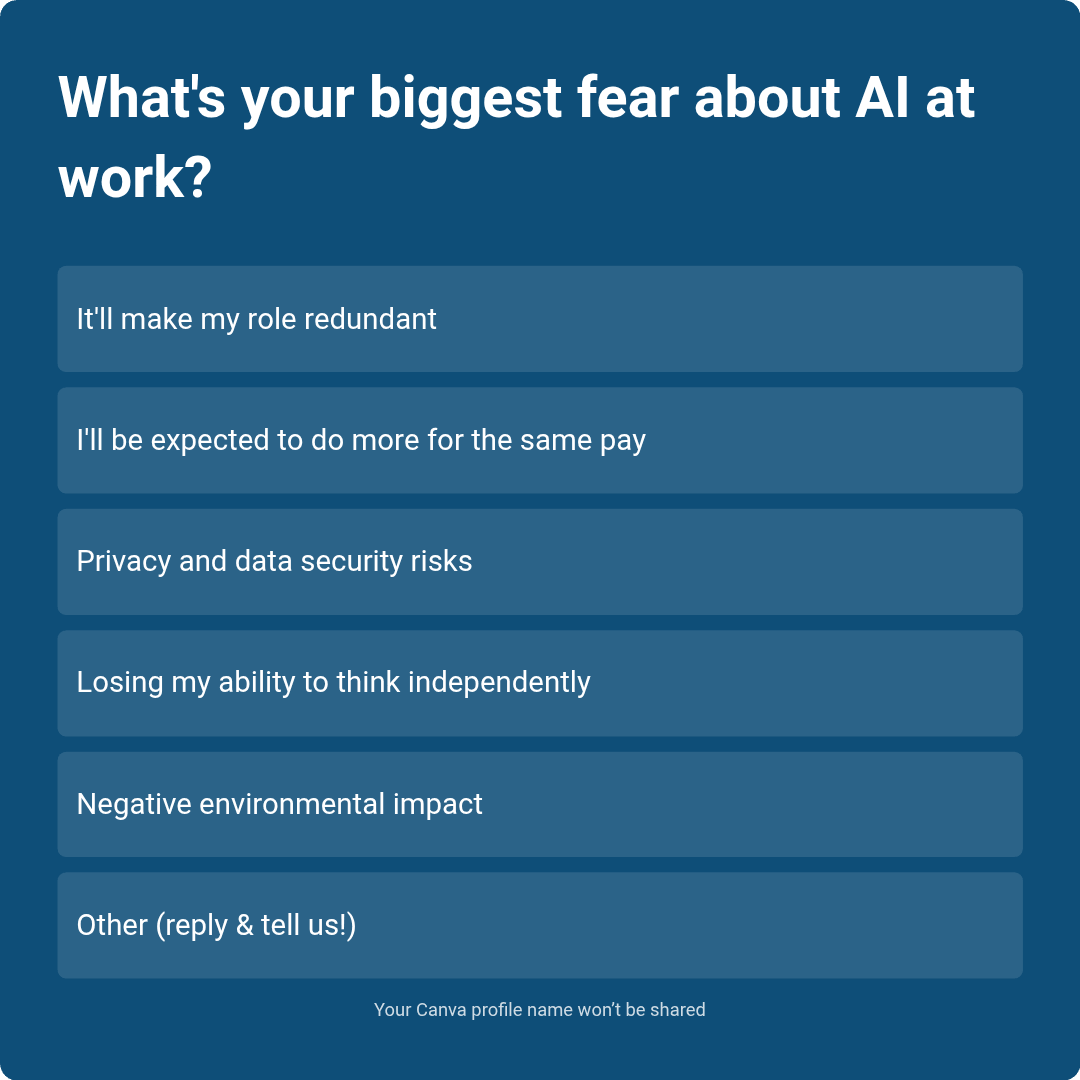
Have more feedback? 💌 Reply to this email and tell us.
✨ P.S. Want more inspiration and positivity to kick off your week? Sign up for our Motivational Monday texts (U.S. only).
👀 Want to see if your company is a good fit for our 250k+ ambitious readers? Join our Sponsor Waitlist here.