✅ Today’s Checklist:
- The non-monetary benefits most people never think to ask for
- What 20g of creatine does to your brain on no sleep
- Recipe of the week: Slow-Roasted Oregano Chicken with Buttered Tomatoes
🤔 Trivia: How many minutes of daily sunlight does your body need to produce enough Vitamin D? Find out.
QUICK LINKS
🌿 Five minutes of cyclic sighing is the cheapest anxiety reset.
⏰ Women do up to ten extra unpaid hours a day. Time management that fits that.
🔁 Five daily habits that steady your cortisol and help you age well.
💆🏻 Not sure if you’re shedding more than usual? Here’s how to spot thinning hair early.
OWN YOUR VALUE

Everything You Can Actually Negotiate at Work
More than half of job candidates accept the first offer without negotiating. Of the people who do, 66% walk away with more. The main thing standing between most people and a better deal is asking.
Negotiation extends well beyond the new-job moment, and well beyond salary. The list of things you can ask for is longer than most people realize, and some of the most valuable ones cost an employer almost nothing to say yes to.
When You Have a Job Offer
The window between offer and acceptance is the most leverage you’ll ever have with a new employer.
- Salary is where most people start and stop. If base is genuinely fixed, shift your ask to the items below. One-time payments and non-cash perks often come from different budget pools than headcount salary, making them easier to approve.
- Signing bonus. Especially useful when base won’t move or when you’re leaving unvested equity behind. Frame it as making you whole: “I have unvested RSUs expiring when I leave. A signing bonus would offset that.”
- Title. Costs the company nothing and follows you everywhere. If the role reads more senior than the title suggests, ask for the adjustment before you sign.
- PTO. Standard policy isn’t always the ceiling. Two or three additional days a year is often an easy yes for a hiring manager.
- Remote or hybrid schedule. Get the specific arrangement in writing; verbal agreements disappear.
- Professional development budget. Ask for an annual allocation for courses, certifications, or conferences. $1,000–$2,000 a year is a reasonable starting point.
- Accelerated performance review. Ask for a 6-month check-in with a clear compensation adjustment path, especially if you accepted below your target.
- Parental leave. If the policy is the legal minimum, ask whether there’s flexibility before you’re in the middle of a leave request.
At Your Current Job
Negotiation doesn’t end when you accept an offer. Your current employer is an ongoing conversation, most people just stop having it.
- A raise. Know your market rate, document your impact, and make the case with data. The average salary increase for staying is significantly lower than what a job change gets you (that context helps).
- A promotion or title change. If your responsibilities have grown past your title, ask for the title to catch up. It opens doors internally and follows you when you eventually move on.
- Schedule flexibility. A compressed week, adjusted hours, or a shifted schedule are negotiable at many companies, especially with a strong performance record behind you.
- A professional development budget. If no formal policy exists, ask for a personal annual allocation. Frame it as an investment in your output.
- More PTO. After several strong years, additional vacation days are a reasonable ask during a review cycle.
The Part Most People Skip
None of this happens if you don’t ask. Employers expect negotiation. Most offers have room built in precisely because most people won’t push back.
A competing offer helps but isn’t required. Showing up calm and specific is enough. Ask specifically, explain briefly, and let the silence sit.
SPONSOR

The Accommodation Request Your Manager Already Got Wrong
Your manager heard about a medical need in passing. Or an employee mentioned a religious practice during a check-in. Or a new hire asked for a modified schedule without using the word “accommodation” once.
These conversations happen all the time. Without training, a well-meaning response can still create inconsistency, legal exposure, and employees who stop asking.
Traliant’s Disability, Pregnancy & Religious Accommodations training is a 30-minute, TV-style course with interactive decision points that put managers inside real accommodation scenarios before those moments happen in your workplace.
Managers learn to:
- Recognize requests that aren’t always clearly stated
- Know when to involve HR and when not to handle it alone
- Avoid confidentiality mistakes and improper questions
- Apply ADA, PWFA, and Title VII requirements in real situations
- Respond consistently even when situations get complex
WELLNESS

The Case for Creatine That Has Nothing to Do with the Gym
I’ve been taking creatine for a while. Five grams in the morning, maybe an extra scoop on lifting days, the standard protocol most people follow. You hear it helps with the gym, you throw it in your protein shake, and you don’t think much more about it.
That changed after I listened to this episode on longevity and brain health. The conversation around creatine has moved way past the gym, and I had no idea.
Since then I’ve been upping my dose, and I’ve noticed a real difference cognitively. The first time I really tested it was after a long flight on not a lot of sleep. I took 20g spread throughout the day and felt more alert than I had any right to be. Not wired, just not dragging the way I normally would. The tiredness that usually follows me off a plane wasn’t there the same way. I’ve been paying attention ever since.
The old story is only half the story
Your liver makes about 1–3 grams of creatine per day. Your muscles are the greediest consumer. They store it and use it to regenerate energy fast, which is why it works for the gym: more reps, faster recovery, more training volume. Supplement with 5g/day for a few weeks and your muscle stores are saturated. That’s the version of the story everyone knows.
What nobody was leading with: your brain makes creatine too. It needs it. And under any kind of stress — sleep deprivation, jet lag, high cognitive load, a season where you’re just running on empty — your brain’s demand for energy spikes and its creatine supply falls short.
At 5g/day, your muscles take almost all of it. Anything above that starts spilling over to the brain. Research out of RWTH Aachen University in Germany found that 10g/day increased creatine levels in multiple regions of the brain. That’s the window where the brain benefits actually kick in.
The sleep deprivation data is what got me
A study published in Scientific Reports sleep-deprived participants for 21 hours, then gave them a high dose of creatine. Not only did it completely offset the cognitive deficits of sleep deprivation, they performed better on memory and processing tasks than people who were fully rested. I had to reread that a couple times.
There’s also a published double-blind trial where people with depression who supplemented with creatine alongside cognitive behavioral therapy had significantly greater reductions in their depression scores than those who did CBT alone. Depression is a form of brain stress, and creatine appears to help the brain make energy faster under that kind of load.
What my protocol looks like now
- Regular days: 5g in the AM (sometimes 2 scoops), plus an extra scoop in my protein shake on workout days
- Demanding days with travel, jet lag, early mornings, long shooting days: 20g spread throughout the day
I’ve also noticed some muscle definition as a side effect. Wasn’t tracking it closely before, but it’s there. I’ll take it.
If you’re vegan, this one’s especially for you
Creatine is found in meat, poultry, and fish. If you eat none of those, you’re relying entirely on what your body produces on its own, which isn’t enough to saturate anything. If you’ve been running on low energy without a clear reason, this is worth looking into.
And yes, the hair loss thing
The fear comes from a single 2009 study in rugby players that found elevated DHT levels (DHT being linked to hair follicle damage). That study never measured actual hair loss, was never replicated, and a 12-week randomized controlled trial published in June 2025 found zero significant difference in DHT levels or hair outcomes between creatine and placebo. That fear isn’t the thing that should be stopping you.
What I’m using
Momentous Creatine is in heavy rotation right now. It’s clean, third-party tested, and mixes well. Create also makes gummies I’ve loved cycling in when I want to switch up the format. This is a trend I’m genuinely seeing value from. Do the research and see if it makes sense for you too.

Thania (TA Content Mgr)
This is for informational purposes only and is not medical advice. Consult a healthcare provider before starting any new supplement.
SKINCARE
More Than a Moisturizer And a Decade of Longevity Science
With age, the cellular processes behind visible skin aging accelerate faster than hydration alone can keep up with.
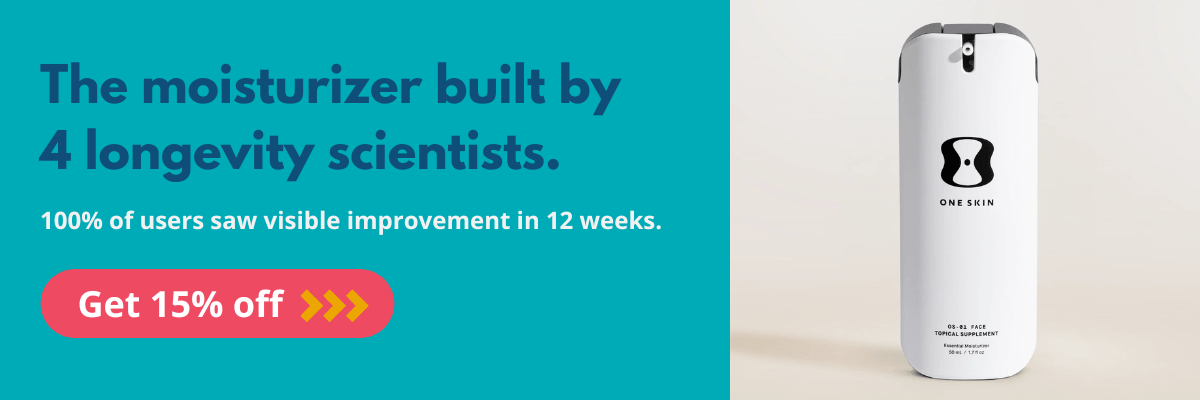
OS-01 FACE was developed by four PhD longevity scientists to address that directly, at the cellular level, instead of leaving it to hydration alone. In a double-blind, 12-week clinical study, the results held up.
🔬 100% of users showed improved overall appearance.
🧬 96% improved skin firmness, and 87% showed visibly diminished wrinkles.
🧪 Skin barrier function improved by 15% (the foundation everything else builds on).
Visibly firmer skin in 12 weeks, proven in a clinical study.
STAFF PICKS
Stuff We’re Loving This Week
🥨 Taste the best snacks of the century with 20% off + free fast shipping.
🍩 Tired of dramatic headlines and emotionally draining news? The DONUT’s free daily newsletter delivers smart, unbiased news in just a few minutes, with a tone that won’t dampen your morning.
👁️ Done eyes in two minutes: this cream eyeshadow stick blends with your finger and won’t budge.
🧥 This lightweight full-zip workout jacket with thumb holes feels way pricier than it is.
JUST FOR FUN

COMMUNITY
 Upcoming Events
- TODAY 7/22 @ 11am PT: SGS Coworking Session (SGS Only* | Join the waitlist)
- Fri 7/24 @ 7AM PT: AI Workflow Implementation Sprint: Week 4 Live Session (AI Cohort Only)
- Fri 7/31 @ 8:30AM PT: Watch Me Work: Vibe Code a Portfolio in Real Time with Joanna (SGS Only* | Join the waitlist)
* Smart Girl Society is our private community for women who want deeper conversations, accountability, and tools that actually make life easier. Join the waitlist to get in the next round.
👩🍳 Recipe of the Week: Slow-Roasted Oregano Chicken with Buttered Tomatoes (thanks to TA reader, Sarah, for sharing!).
😋 Have a recipe you love? Share it here.

SPILL THE TEA
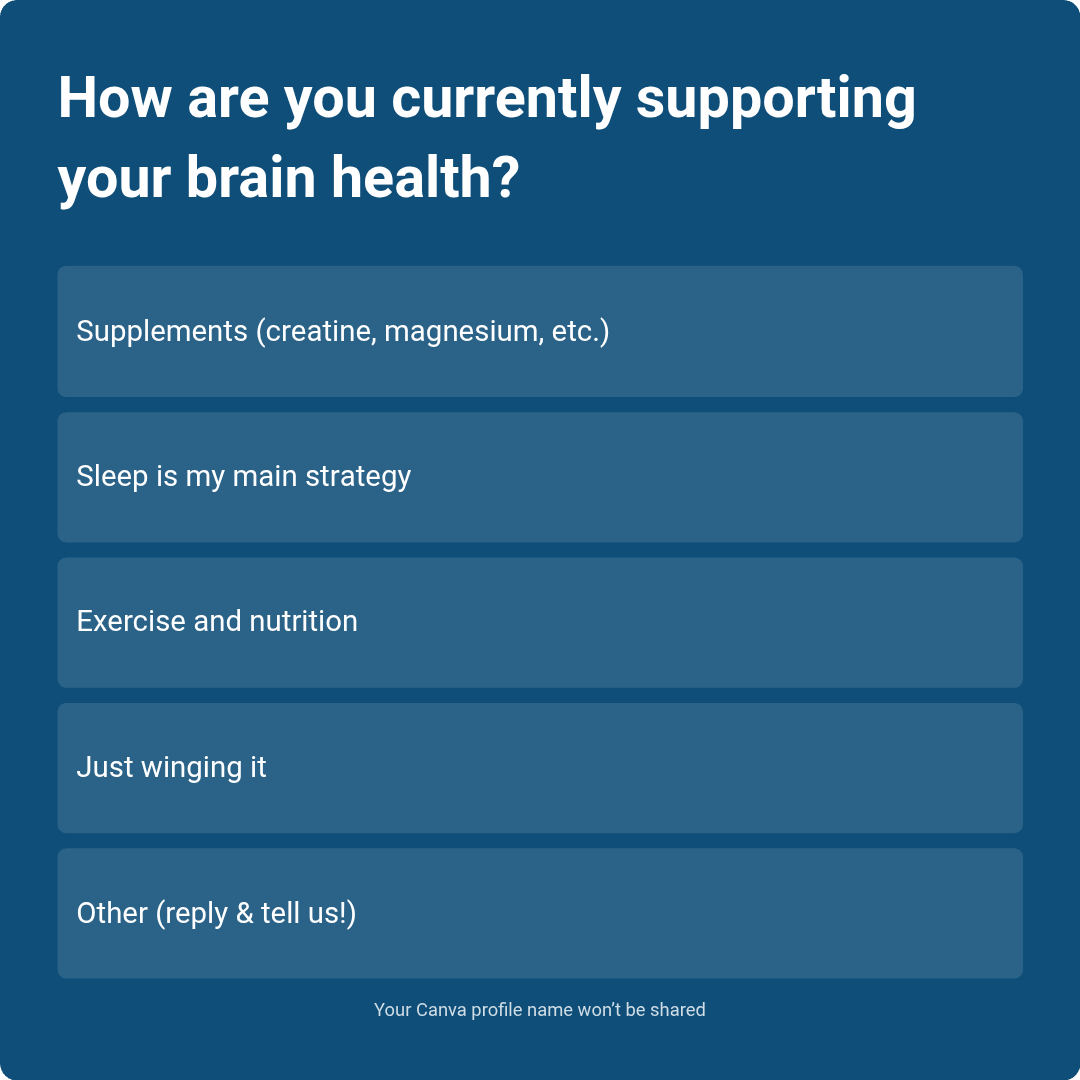
Take Our Poll
Have more feedback? 💌 Reply to this email and tell us.
✨ P.S. Want more inspiration and positivity to kick off your week? Sign up for our Motivational Monday texts (U.S. only).
👀 Want to see if your company is a good fit for our 250k+ ambitious readers? Join our Sponsor Waitlist here.