OG Tuesday Issue #289

The Assist Newsletter
April 6, 2026
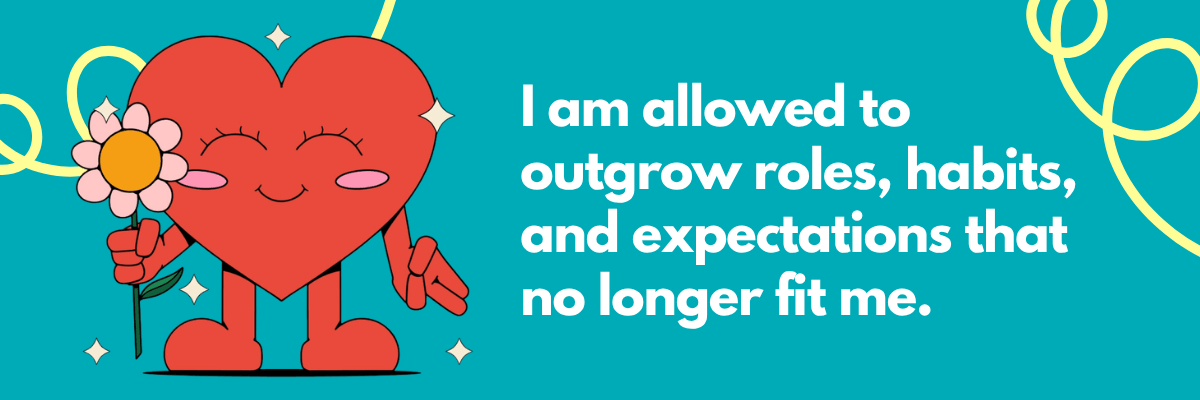
A graphic shows a cartoon heart character holding a flower beside large text about outgrowing roles, habits, and expectations. The background is teal with curved yellow lines and small decorative shapes.

✅ Today’s Checklist:

  • What no one tells you when you become a manager
  • Getting heard without getting louder
  • Why fitting everyone in your mold is holding you back

🤔 Riddle me this: I’m a meal that tells an ancient story of freedom, shared with family over symbolic foods. (Find the answer on the bottom).

QUICK LINKS

🌿 What the next wave of workplace mental health looks like.

🤐 More workers are staying silent at work even as workplace discrimination concerns keep rising.

💬 Most people tank the “describe a challenge” question; here’s how to nail it.

🤝 The mindset shift that changes how you work with AI.

CAREER

An illustration shows a large clipboard with checkmarks while a woman holds an oversized pencil next to it. Icons like a clock, lightbulb, target, trophy, and coins appear around the scene on a yellow background.

Newly Promoted? Here’s the Manager Checklist Nobody Hands You


Your title changed, your salary (hopefully) did too, and now you have at least one person reporting to you.

The transition is exciting, and it comes with a learning curve that nobody fully warns you about. The skills that made you exceptional as an individual contributor are not the same ones that will make you great as a manager. Understanding what shifts is what makes the whole role start to click.

Here’s where to focus:

Shift Your Mindset First

Learning to manage starts with learning to think differently about your work.

As an individual contributor, your job was to execute. Tasks in, tasks out, output measurable and mostly within your control. As a manager, your job is to build and maintain the conditions that let other people do their best work. Your output is now your team’s output.

That’s where most new managers get tripped up. The urge to just handle things yourself because it’s faster is real — resist it. Your team needs room to grow, and your job is to create that room, not fill it.

Start asking different questions: What does my team need to succeed? What’s blocking them? How am I setting them up to do great work?

Get to Know Your Team Before You Change Anything

Your first job is to listen.

Schedule one-on-ones with each team member and use that time to genuinely understand how each person works, what motivates them, where they feel stuck, and what they need from you. Ask how they prefer to communicate. Ask what’s working and what isn’t.

Some managers kick things off with a “Meet Your Manager” one-pager, a simple doc that outlines your working style, communication preferences, and values. It’s a small move that builds trust fast and signals you’re someone worth working for.

Weekly team meetings with a clear agenda matter more than you’d think. Structure creates safety, and safety is what unlocks great work.

Build the Systems

One of the best parts of stepping into management: you get to design how things run.

In your first 90 days, prioritize getting aligned on team goals — the ones already in place, and the ones you’ll set together. Understand your company’s performance review cycle and start tracking notes on your team members now, so you’re not scrambling when review season hits. Build a continuous feedback rhythm that doesn’t depend on the formal process. When people always know where they stand, trust compounds fast.

For a longer-term anchor, this 12-month roadmap for new managers is worth bookmarking now.

Find a Mentor and Stay Close to Engagement

The best leaders seek input early and often. Find someone in your organization whose leadership style you respect and ask if they’d be open to meeting regularly. A good mentor helps you think through the hard calls, gives you honest feedback, and shares lessons they learned the hard way.

At the same time, stay close to how your team is actually feeling. Think of employee engagement as a live signal. It tells you whether your people feel seen, supported, and motivated. Actively ask for feedback, follow through on it, and close the loop by sharing what actions you’re taking. That transparency is what builds the kind of loyalty that makes teams exceptional.

The Best Managers Stay Curious

Nobody walks into their first management role with it all figured out. The IC-to-manager transition is one of the most meaningful pivots in a professional career — and the people who navigate it well are the ones who stayed humble, kept asking questions, and kept showing up for their teams.

And if you want something to print and actually work through, this new manager checklist is worth keeping in your back pocket.
AI PLAYBOOK

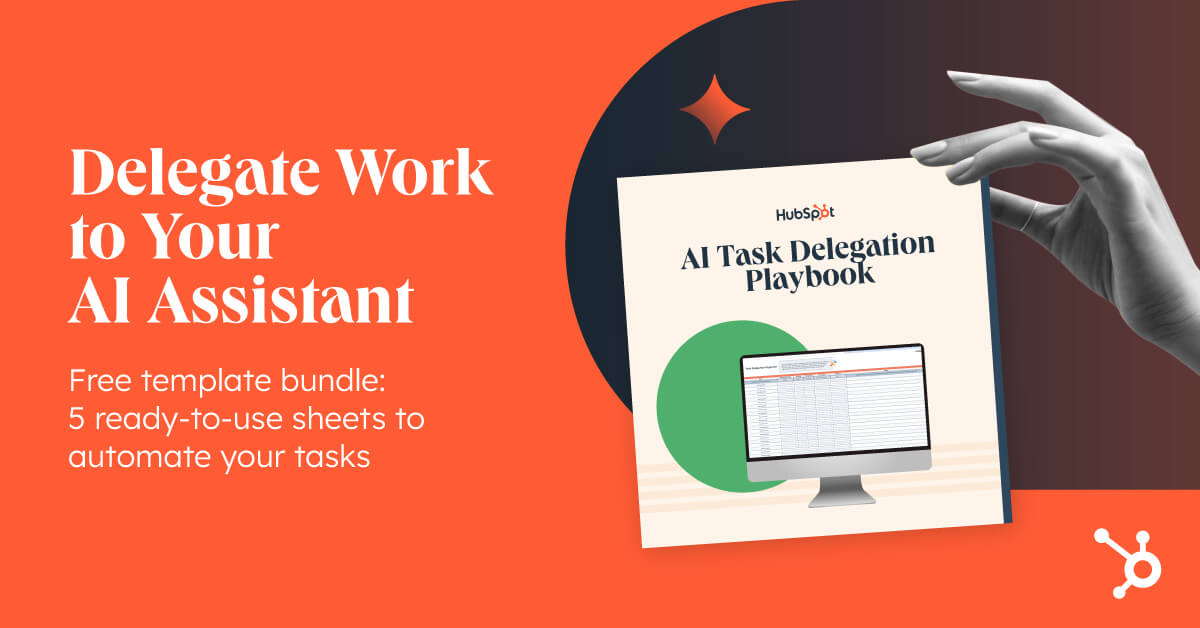
A promotional graphic features a hand holding a booklet titled “AI Task Delegation Playbook” with text about delegating work to an AI assistant. The background is bright orange with a dark circular shape behind the booklet.

The Free Toolkit That Teaches You How to Stop Doing Everything Yourself


Most people’s AI strategy right now is opening ChatGPT, staring at a blank prompt box, and hoping something useful comes out. That’s a guessing game, not a workflow.

HubSpot’s free AI Assistant Kit gives you the templates, prompts, and system to make AI work for you from day one.

What’s inside:

  • Ready-to-use templates that offload 80% of your repetitive work to AI
  • An AI Command Center to organize your prompts and tools in one place
  • A 60-minute quickstart guide so you’re up and running before lunch
  • A built-in time tracker to see exactly how many hours you’re getting back
  • Done-for-you prompts that make ChatGPT sound like your most organized coworker

If you’ve been meaning to get better at using AI but keep pushing it to “when things slow down”, this is the thing that actually makes it click.

👉 Download the free AI Assistant Kit.

BIGGEST CHALLENGE

An illustration shows a smiling woman standing with hands on her hips in the center while several people with neutral or unhappy expressions stand behind her. The background is blue with simplified character silhouettes.

You Don’t Have to Be Loud to Have Influence


“My biggest challenge is earning respect and getting ideas heard when I am not the loudest, most charismatic person in the room.” — Jessica A.

Most workplaces reward whoever speaks first and takes up the most space, even when their ideas aren’t the strongest ones in the room. It’s a frustrating dynamic, and unfortunately, a deeply common one.

Influence and volume have very little to do with each other. Here’s how to build one without performing the other.

Do the work before the meeting starts. The meeting is the wrong place to introduce a big idea for the first time. Share your thinking beforehand — a quick Slack, a short email, a casual conversation with your manager. It plants your idea before anyone else claims the space and means you’ll have at least one ally who can echo you in the room. That’s not politics. That’s strategy.

Say less. Make it land. Brevity signals confidence. A short, clear, well-timed point carries more weight than a long one that trails off. State your point, give one strong reason, stop talking. Cut the softeners: “I’m not sure if this makes sense, but…” is doing you no favors.

Use listening as a strategy. Listening is one of the most underrated ways to build influence. When you synthesize what others have said and add a sharp observation, people notice. “Building on what Sarah said, I believe the real issue here is…” reads as executive presence in most rooms.

Name it when you need to. If you’re consistently talked over, naming it calmly is an option. “I wasn’t finished, let me complete my thought” is a complete sentence. Research shows women are interrupted at significantly higher rates in professional settings. Naming it isn’t oversensitive. It’s necessary.

Build your reputation between meetings. Send the recap email. Follow up on the idea you floated. Strong one-on-one relationships shape how seriously people take you when you do speak up. The loudest person gets remembered in the moment. The most consistent one gets trusted over time.

FOUNDER TAKE

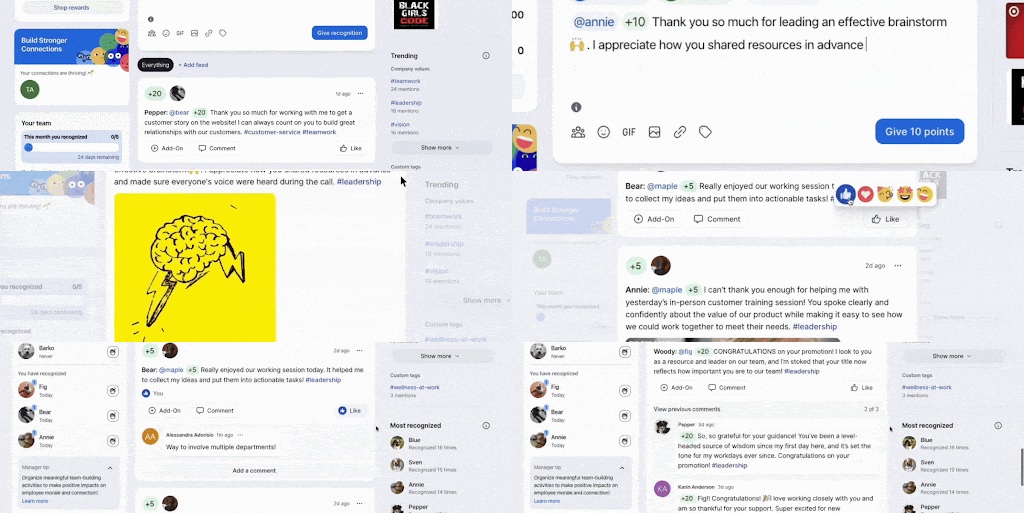
bonusly gif

I Watched Bonusly Change How 1,000+ People Worked


At my last company, over a thousand people used Bonusly. I watched it go from a new-ish HR rollout to the thing everyone obsessed over.

The public recognition feed became something people checked on their own. Managers were giving shoutouts without being asked. And because the rewards were real (I personally redeemed mine for a flight to Cabo 🙌), the whole thing had actual stakes.

Here’s the part I didn’t appreciate until now: as a founder, I know how hard it is to get your whole team to actually adopt something new. People ignore tools. They forget. They revert. Bonusly didn’t have that problem. Nobody had to chase anyone. It just ran.

My team went back and reviewed it properly so I could share it with you. (Spoiler: still a yes.)

👉  Here’s the full Bonusly breakdown.

And if you’re already using it, hit reply. Always curious what the TA community is actually experiencing out there.

circle image of Joanna, Co-Founder of TA

Joanna (TA Co-Founder)

STAFF PICKS

Stuff We’re Loving This Week


📆 NEXT WEEK: How to build an AI-first culture on your team | Free event on April 14. RSVP here.

🗞️ The DONUT is the free daily newsletter that keeps you informed without making you want to log off forever.

🧼 Too tired to double cleanse? This grinding cleansing balm does the work without the mess.

🌸 The kind of perfume people will stop you to ask about.

JUST FOR FUN

A meme-style image shows a man centered on screen with a play button overlay. Text at the top reads “Ryan Gosling trying out Gen Z slang for a minute” against a black background.

COMMUNITY

🗓️ Upcoming Events


📋 Agent Drop


*
Smart Girl Society is our private community for women who want deeper conversations, accountability, and tools that actually make life easier. Join the waitlist to get in the next round.

👑 Work Wisdom of the Week

Monica Keena (Paralegal Supervisor) shares:

“Not everyone works like you. This reminded me that people operate differently, and trying to fit everyone into your mold only leads to disappointment, frustration, and stunted growth (for both you and them). Your role is to grow others, and that starts with understanding what growth means to them. It won’t look the same for everyone, and that’s not just okay, it’s necessary.”

SPILL THE TEA

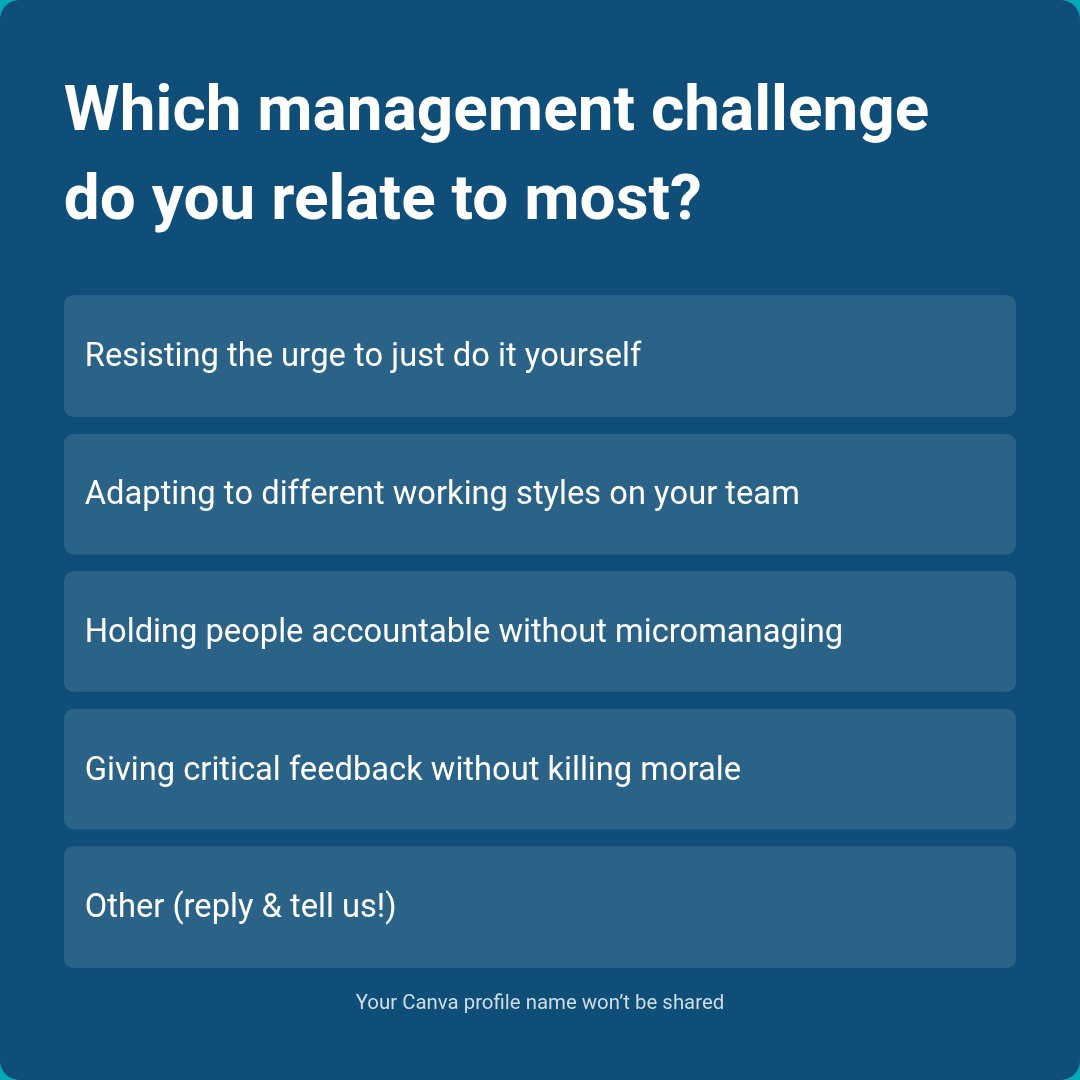
Take Our Poll

TA Poll OG Tues 289

Have more feedback? 💌 Reply to this email and tell us.

P.S. Want more inspiration and positivity to kick off your week? Sign up for our Motivational Monday texts (U.S. only).

The Assist Workle

👀 Want to see if your company is a good fit for our 250k+ ambitious readers? Join our Sponsor Waitlist here.

⭐️ Answer to the riddle.

Skip to content