OG Tuesday Issue #295

The Assist Newsletter
May 19, 2026
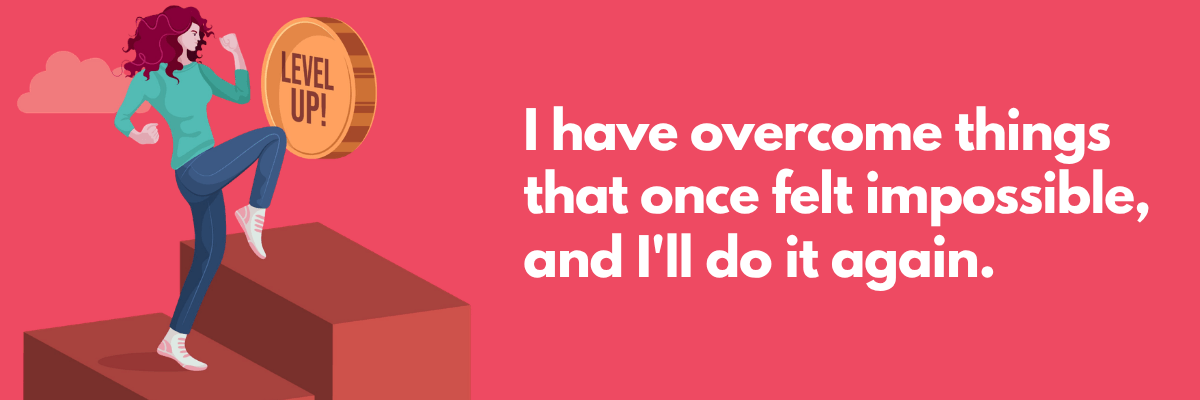
Illustration of a woman stepping upward beside a “Level Up!” coin with text that reads, “I have overcome things that once felt impossible, and I’ll do it again.”

✅ Today’s Checklist:

  • The phrases that scream “ChatGPT wrote this”
  • Being called “bullish” at work? Read this first.
  • Don’t cry in the office (do this instead)

🤔 Riddle me this: I’m the difference between a good decision and a great one. I can’t be rushed, bought, or faked. What am I? (Find the answer on the bottom).

QUICK LINKS

📌 The 80/20 rule for productivity.

👗 From polka dots to sheer skirts, the summer 2026 trends you’ll actually want to wear.

💼 Six work styles and how they shape your career.

💬 Practical scripts for dealing with difficult coworkers without making things worse.

COMMUNICATION

Illustration of a woman saying “No” to a sad robot holding a tablet, symbolizing setting boundaries with AI or rejecting technology assistance.

We’re Sick of AI Copywriting. Here’s How to Not Be One of Those People.


We can all agree that we all hate the way AI writes and that everyone seems to be writing their LinkedIn posts by using ChatGPT, which is fine. Work smarter, not harder, and all that; but if you’re trying to now create content that actually lands with people… it’s not going to if it sounds like everyone else.

Most people are using AI badly. You know exactly what I’m talking about. You scroll past these posts every single day and you can tell within two seconds that ChatGPT wrote them.

The dead giveaways that scream “ChatGPT wrote this”

  • “It’s not X, it’s Y.” : This construction is AI’s favorite party trick. “It’s not about working harder, it’s about working smarter.” Cool. Also unnecessarily complicated.
  • Repetitive sentence structures: Not this. Not that. Not the other thing. It just sounds like a broken record.
  • Random bolding: Words are bolded in the middle of sentences for no reason.
  • Emoji overload: 🚀 Every sentence 💡 ends with an emoji 💪 for emphasis ✨ that adds nothing.
  • Unnatural paragraph flow: You know, how you, learned paragraph structure in third grade? AI throws that out the window.

Authenticity always wins

As a marketer with 15 years of experience, I can tell you with absolute certainty: the one thing that will always win in communications is authenticity.

That doesn’t mean you can’t use tools, just use them properly. Because like everything else, if you do it lazy, it shows.

AI is a really powerful tool, but it can’t replace your strategy, your voice, or your perspective. When you let AI do all the work, you strip yourself of creativity and dilute your brand voice. So don’t do it, and lean into your genuine nature.

Five ways to use AI without sounding like a robot

1. Feed it your actual writing first

Before you ever ask AI to write a post for you, give it 5-10 examples of content you wrote yourself, and preferably, with no AI involved. Tell it: “This is my voice. Match this tone, not your default output.”

Also feed it your target audience, and be specific. The more specific you are about who you’re talking to, the less generic the output will be.

2. Write the messy first draft yourself

Don’t open ChatGPT with a blank slate and say “write me a LinkedIn post about productivity.” That’s how you get robotic garbage.

Instead, open a Google Doc and brain dump everything you’re actually thinking. Write it like you’re explaining it to a friend over coffee. Let it be messy.

THEN give that draft to AI and say: “Clean this up, but keep my voice. Don’t make it sound corporate. Keep the energy.”

3. Read it out loud

If you wouldn’t say it out loud to another human being, don’t post it.

Read your AI-generated draft aloud. Does it sound like you talking? Or does it sound like a weirdo TED Talk written by a robotic committee? If it’s the latter, rewrite it.

4. Hunt down the AI tells and delete them

Go through your draft and ctrl+F for these phrases, (unless you literally say this) :

  • “In today’s fast-paced world…”
  • “Let’s dive in” or “Let’s be honest”
  • “Here’s the thing”
  • “At the end of the day”
  • “Imagine…” followed by a scenario

Delete the filler. When AI uses these phrases, they add nothing. When YOU use them intentionally, they can work. The difference is intention.

5. Let your actual personality show

AI is allergic to imperfection. It wants everything polished, professional, and pleasant.

That’s not what people connect with, though. They connect with real.

Keep the typo if it’s funny. Use the incomplete sentence if it has punch. Tell the story about the time you completely screwed up. Share the unpopular opinion.

Your quirks, your opinions, your stories are what make your content yours. AI can help you structure it and tighten it up, but it can’t give you a personality.

AI is a tool. Don’t let it do the thinking for you. Don’t let it flatten your voice into the same beige corporate-speak everyone else is posting.

Your audience doesn’t need another AI-generated thought leader. They need you. Authentic, messy, opinionated, human you!

circle image of Thania (Sr. Mgr Content Systems)

Thania (TA Sr. Content Systems)

MANAGER DECISIONS

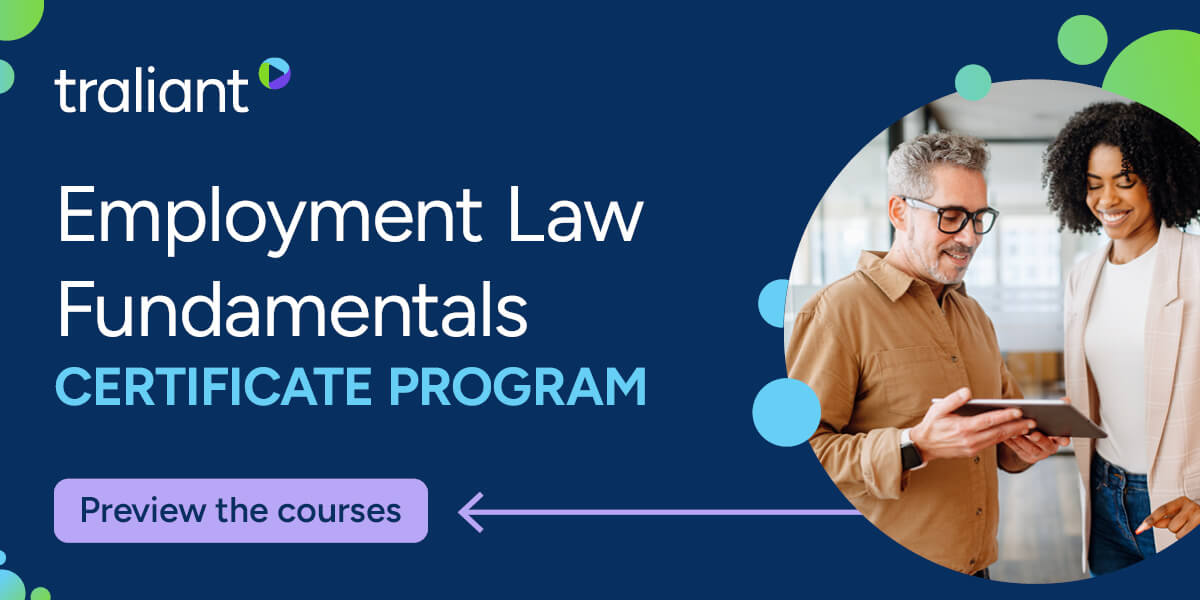
Banner for Traliant’s “Employment Law Fundamentals Certificate Program” featuring two coworkers looking at a tablet beside a button labeled “Preview the courses.”

The Manager Moment That Becomes a Legal Claim


As your organization grows, you’re no longer making every decision yourself. Managers across your business are handling hiring, pay, leave, and employee requests, and consistency becomes harder to maintain.

The risk isn’t just knowing the law. It’s making sure managers apply it correctly in real-world situations, every time.

We redesigned Employment Law Fundamentals into a TV-style, scenario-based training experience—so managers can see how situations unfold and respond the right way across your organization.

Coverage includes:

  • Interviewing & Hiring Lawfully
  • Wage & Hour Fundamentals
  • FMLA & Protected Leave
  • Accommodations (ADA, PWFA, religion)
  • Plus, short, 2-minute video microlearning for ongoing reinforcement

With self-customization, you can align training to your policies and ensure managers are making consistent, compliant decisions as you scale.

Book a meeting with a compliance specialist to see how this can help reduce risk and improve consistency across your managers.

Preview the course ->

BIGGEST CHALLENGE

An illustration of a confident woman flying through the sky in a superhero pose while holding a baby in one arm and a briefcase in the other. She wears a business suit and a red cape, symbolizing her strength and multitasking as a working mom, with a bright purple background and scattered clouds.

How to Handle Being Called Too Assertive in a Male-Dominated Industry


“Currently perception that I’m ‘bullish’ because I’m task and goal oriented in a male dominated industry.” — Brandy H.

Brandy, the people calling you bullish are telling on themselves. A man who is task oriented, direct, and assertive in a male-dominated industry is called driven. A woman doing the exact same thing gets called bullish. Or aggressive. Or intimidating. Or any number of words that are really just code for: you are behaving in a way we did not expect from you.

The culture you’re working inside is the actual problem here. There’s a real way to handle it.

First, figure out who is saying it and why it matters

Not all perception problems carry the same weight. Start by asking yourself: who exactly sees you this way, and do they have real influence over your career?

If it’s coming from clients or senior leadership, that’s worth addressing strategically and soon. If it’s coming from peers who are simply uncomfortable with an assertive woman in the room, that’s a different conversation entirely. Knowing who the audience is shapes everything about how you respond.

Understand what you’re actually dealing with

What you’re describing is one of the oldest double standards in professional life. Women who adopt direct, goal-oriented communication styles, often because that’s the culture of the industry they’re in, get penalized for the same behavior that gets men promoted.

The frustrating reality is that you’re likely matching the temperature of the room, doing exactly what the environment calls for, and still being held to a different standard. That’s a workplace culture problem, and one person adjusting their behavior won’t fix it.

Pick your battles strategically

Confronting this perception one conversation at a time is exhausting and largely ineffective. What actually moves the needle is changing the culture from the inside, and that requires getting leadership involved.

Become the architect of the solution. Stop absorbing the problem.

Build a coalition and shape the conversation

Consider creating an affinity group or leadership coalition at your company focused on women in your industry. Bring together senior male and female leaders and build something intentional around it: a panel series, a lunch and learn, a five-part conversation about what leadership actually looks like across genders.

This does two things. It positions you as a culture builder, and it creates allies. When the people around you understand the dynamic you’re navigating, they become advocates. Having respected colleagues and leaders in your corner, people who can speak up in rooms you’re not in, is worth more than any single conversation you could have on your own.

Take it to the top and lead the conversation there

You get to be the one who brings this to the table at the highest level. You don’t have to wait for someone else to fix the culture you’re living in.

Take this conversation to executive leadership. Propose the coalition. Pitch the panel series. Position it as a business opportunity, because companies that actively invest in retaining women in male-dominated industries perform better, full stop.

That puts you in the room as a strategic leader shaping the future of your company’s culture. That’s a very different, very powerful place to be.

Being called bullish in a male-dominated industry might just mean you are exactly the right person to change it.

FOUNDER TAKE

bonusly gif

I Watched Bonusly Change How 1,000+ People Worked


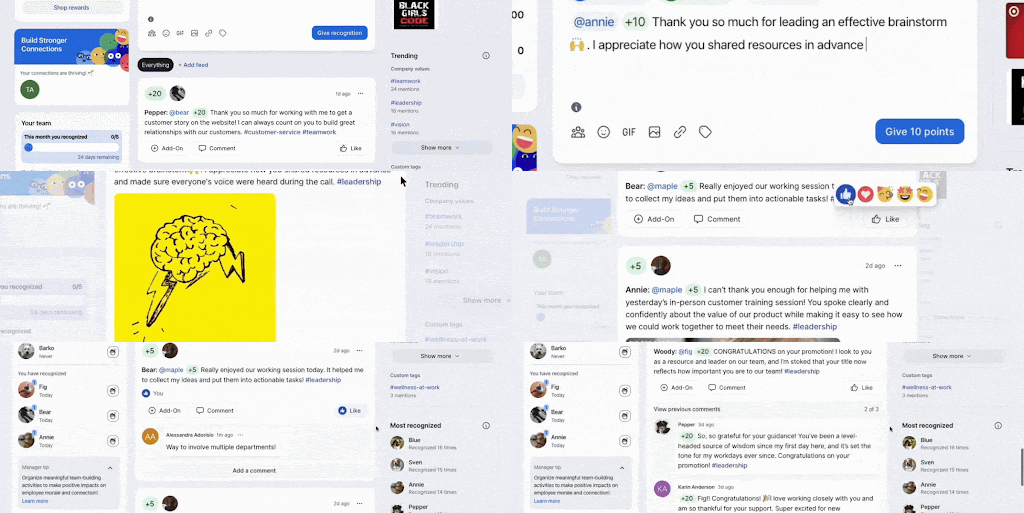
At my last company, over a thousand people used Bonusly. I watched it go from a new-ish HR rollout to the thing everyone obsessed over.

The public recognition feed became something people checked on their own. Managers were giving shoutouts without being asked. And because the rewards were real (I personally redeemed mine for a flight to Cabo 🙌), the whole thing had actual stakes.

Here’s the part I didn’t appreciate until now: as a founder, I know how hard it is to get your whole team to actually adopt something new. People ignore tools. They forget. They revert. Bonusly didn’t have that problem. Nobody had to chase anyone. It just ran.

My team went back and reviewed it properly so I could share it with you. (Spoiler: still a yes.)

👉 Here’s the full Bonusly breakdown.

And if you’re already using it, hit reply. Always curious what the TA community is actually experiencing out there.

circle image of Joanna, Co-Founder of TA

Joanna (TA Co-Founder)

STAFF PICKS

Stuff We’re Loving This Week


📆 FREE EVENT: Join the AI Strategy Summit on on June 4. Learn the AI playbook for your organization.

💛 Less doomscrolling, more gratitude. Positive DONUT is a free weekly dose of good news and optimism.

🧳 A carry-on that makes travel feel organized instead of chaotic.

🌙 The sleep upgrade that helps you wind down without overthinking it.

JUST FOR FUN

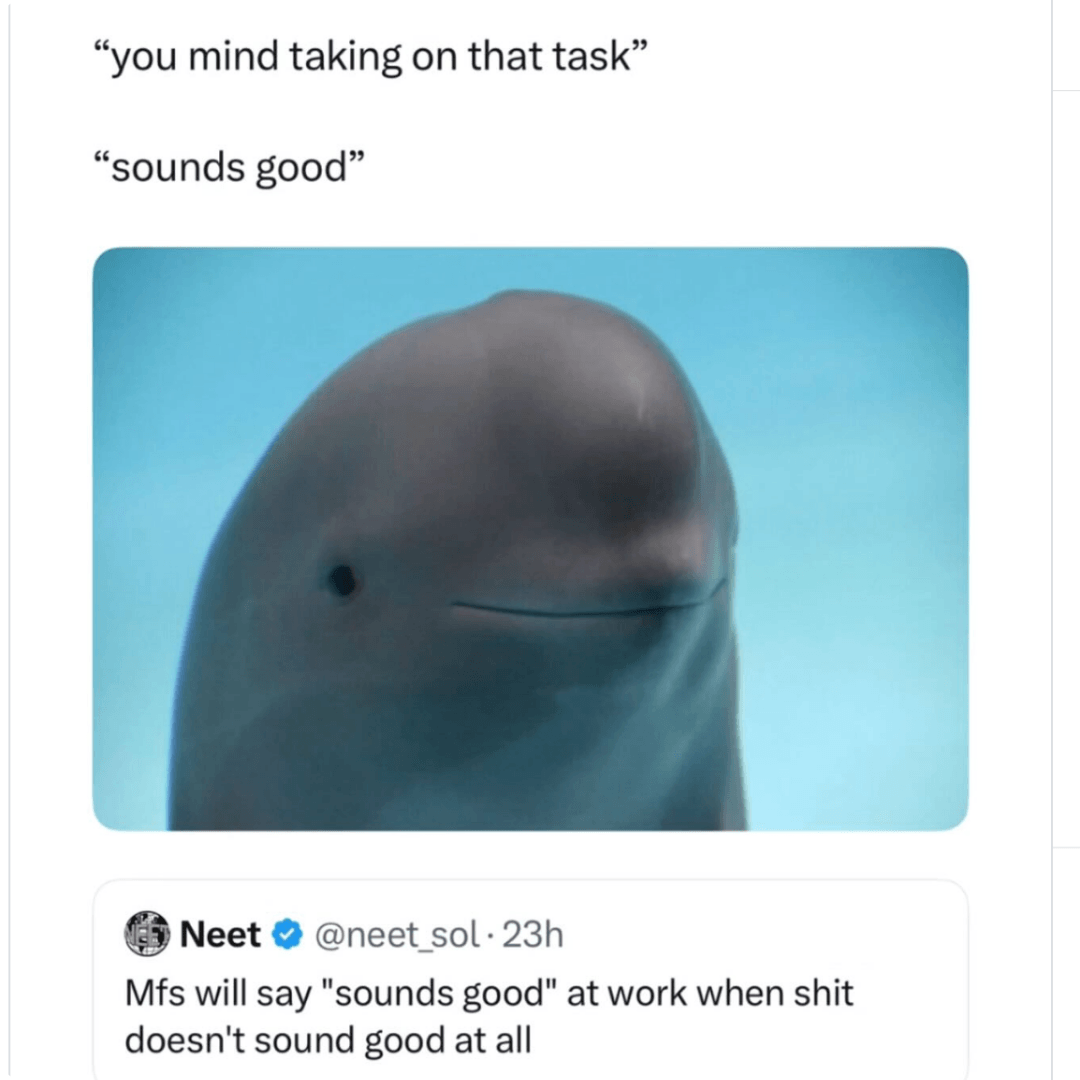
Meme showing text that reads, “you mind taking on that task” followed by “sounds good,” above an image of a smiling dolphin. A tweet below jokes about agreeing to work tasks that actually do not sound good at all.

COMMUNITY

📆 Upcoming Events

Smart Girl Society is our private community for women who want deeper conversations, accountability, and tools that actually make life easier. Join the waitlist to get in the next round.

👑 Work Wisdom of the Week:

“Don’t cry in the office. Excuse yourself to the restroom and collect your emotions. You’ve been building your credibility among management and peers, and sometimes our emotions erupt without warning. This advice helped me a couple of times to (appear to) remain composed in stressful situations.” — Leeann (Marketing Manager)

⭐️ Share your best work wisdom here.

💼 Browse our job board here.

SPILL THE TEA

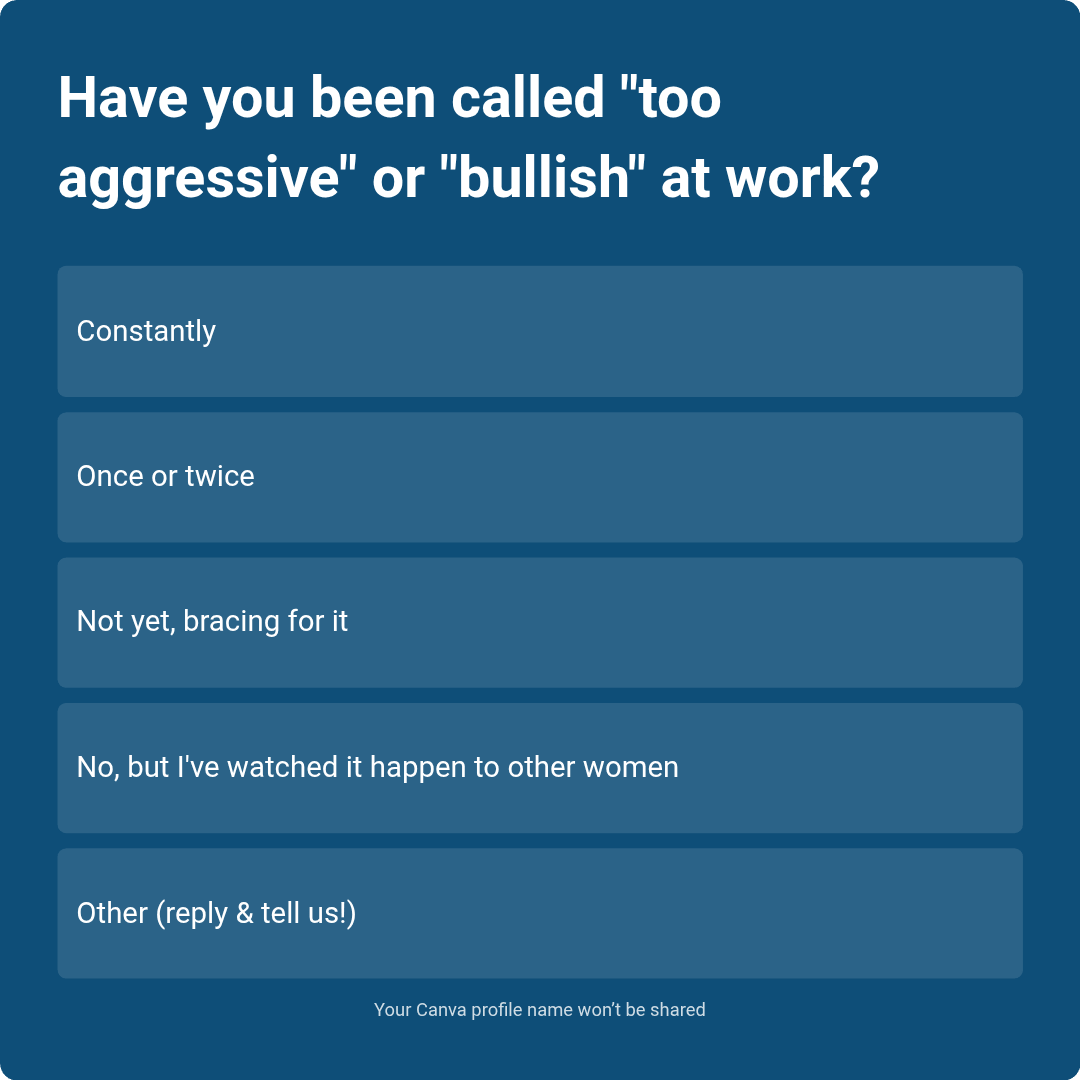
Take Our Poll

TA Poll OG Tues 295

Have more feedback? 💌 Reply to this email and tell us.

P.S. Want more inspiration and positivity to kick off your week? Sign up for our Motivational Monday texts (U.S. only).

The Assist Workle

👀 Want to see if your company is a good fit for our 250k+ ambitious readers? Join our Sponsor Waitlist here.

⭐️ Answer to the riddle.

Skip to content