

🤔 Brainteaser of the day: Name three positive whole numbers that give the same result whether you add them or multiply them.
Click here to see the answer.
✅ Today’s Checklist:
- The 2,000-year history of the “ideal” female body (and why Cam is over it)
- A realistic look at being a female CEO in this docuseries
- Pet of the week: Meet Adelaide
QUICK LINKS
🎁 22 intern gift ideas ready before National Intern Day hits on July 30th.
🌍 AI has a real environmental cost, and here’s what’s being done to shrink it.
🌱 The life admin reset: Babs Costello’s five-bin system.
📊 Are we in an AI productivity boom?
BODY IMAGE
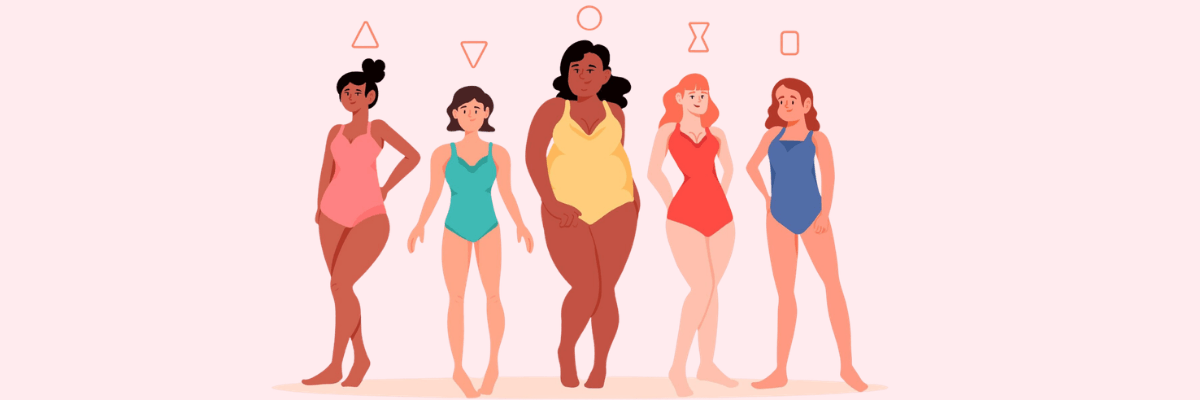
The Ideal Body Has Changed Every Decade for 2,000 Years. I’m Done Chasing It.
A few months ago, a friend casually suggested I try a GLP-1.
I wasn’t at a doctor’s office. No one had asked for their input. And for the record, I wasn’t overweight.
I’m a mid-sized woman. I work out regularly, I eat well, and I have a complicated, decades-long relationship with my own reflection. That comment hit me somewhere I wasn’t expecting. Not because the person meant harm. But because of what it revealed about the world we’re living in right now.
So I started researching the history. And what I found was both clarifying and infuriating: the “ideal” female body has never been stable. Not once. Not in over 2,000 years.
A History Lesson In “The Ideal Female Body”
In ancient Rome, the ideal woman had a small waist, narrow shoulders, pronounced hips, and a well-fleshed but toned frame. Softness with structure.
By the Renaissance, food scarcity was common enough that a larger, rounder body read as wealth and fertility. The Rubenesque figure was aspirational. It meant you had access. You were safe.
The Victorian era compressed everything inward. Corsets manufactured the hourglass silhouette by compressing organs and repositioning ribs. The suffering was considered aesthetic.
Then the 1920s declared curves out entirely. The flapper era wanted boyish. Women bound their chests and wore styles designed to flatten.
The 1950s swung back. Marilyn Monroe became the blueprint. Full hips, a defined waist, explicitly feminine curves. Then a 16-year-old named Twiggy reset all of it. At 5’6″ and approximately 90 pounds, she became the face of the 1960s within months, and what was considered ideal a decade earlier became irrelevant overnight.
The 1990s handed us heroin chic. Kate Moss. Pale skin, hollow cheekbones, visible collarbones. Gauntness repackaged as cool. Then-President Bill Clinton publicly condemned the trend, calling it “glorifying death.” The industry kept going anyway.
The pattern is relentless: the standard flips, the body being celebrated is nearly impossible to achieve naturally, and women spend years, energy, and money trying to reach it anyway.
I grew up in the middle of this cycle.
I remember watching the Victoria’s Secret Fashion Show the way my friends watched the Super Bowl. I studied those bodies with a focus I now find heartbreaking. I genuinely believed that was just what women were supposed to look like, that I was supposed to look like. Tall, slender, usually blonde, somehow simultaneously toned and soft. I, a forever-curvy, 5’4”, blonde girl, held myself up against that standard for years.
Then the 2010s handed us the Kardashian era, and the standard flipped again. Now the ideal was a flat stomach, a tiny waist, and an extreme backside.
I actually felt some relief in this era if I’m being totally honest. I do have a larger booty and smaller waist, but I am no Kim K.
What I didn’t understand at the time was that specific combination of proportions is, for most women, surgically constructed. The Brazilian butt lift (BBL) became one of the most commonly performed cosmetic procedures in the country during that decade. We were chasing a body that was, in most cases, purchased.
I had no idea I was just the latest woman in a 2,000-year tradition of chasing something that was never meant to be caught.
Here’s Where It Gets Personal
Around 2020, I remember feeling something loosen in me.
Watching Lizzo take over my Instagram, seeing Remi Bader on TikTok share her body image journey openly and without apology, watching Ashley Graham become a household name, I felt the noticeable shift. Bodies outside the thin ideal were being celebrated rather than hidden or apologized for. For the first time in my adult life, I didn’t feel like my body needed an explanation. The body positivity movement had real momentum. Real reach. And I was genuinely hopeful.
Then I felt the pendulum swing again.
What started as an overdue and meaningful correction toward self-acceptance began, in some spaces, to discourage women from addressing legitimate health concerns at all. The nuance got buried. And I watched that happen in real time, unsure of how to talk about it without sounding like I was against the whole thing. I wasn’t. I’m still not.
Then came Ozempic.
I want to be direct about this before I say anything else: GLP-1 medications have genuinely saved lives. I have people in my life who use them to manage type 2 diabetes and serious weight-related health conditions, and I have watched these medications give them their life back. GLP-1s are not the problem. They are not what I have an issue with.
What I have an issue with is what we’ve done with them culturally. We’ve taken a legitimate medical tool and turned it into a new aesthetic standard. The “Ozempic body” isn’t a health goal. It’s just the latest version of heroin chic, repackaged with a prescription. And watching that aesthetic take over my feeds, conversations, and apparently my kitchen, has made me feel things about my body I thought I was done feeling.
I work out 6 days a week. I eat well, even with a major sweet tooth. I have a body that carries me through strength training sessions and yoga classes and swimming in the ocean and long hikes with people I love. And still, that friend’s comment landed in my chest like a stone. Because I knew what it meant: my body, as it is right now, didn’t look right to someone who loves me.
That is what the current moment has done to us. GLP-1s didn’t create this. Our cultural obsession with thinness did. The medication is just the newest vehicle it’s riding in on.
What I’m Actually Doing About It
Knowing this history changed something for me. Once you see how many times the standard has been invented, dismantled, and reinvented, it becomes very hard to take any single version of it seriously. These aren’t truths. They’re trends with a PR department.
Here’s what I’ve been doing since that kitchen conversation.
I did a real audit of my feed. I unfollowed accounts that consistently made me feel like my body was a problem to be solved. What I noticed was that I’d been following a lot of “wellness” content that was really just weight-loss content in athleisure. I replaced them with creators who talk about training, health, and bodies in ways that focus on what a body can do rather than what size it is. My baseline mood improved noticeably within a few weeks.
I’ve started naming it when it happens. After the kitchen conversation, I made a decision: unsolicited comments about my body don’t get to land without acknowledgment. A suggestion to try a weight-loss medication I don’t need is a comment on my body. A “compliment” about losing weight is a comment on my body. Observations about what I’m eating are comments on my body. I’ve been practicing redirecting these, simply and without drama: “I’d rather not talk about my body.” It’s a whole sentence. I don’t owe an explanation.
I asked my doctor the actual questions. The next time GLP-1s came up near me, I went to my own doctor and asked her to walk me through the clinical criteria. What does someone actually need to qualify for this medication? What’s the research on long-term use? What are the realistic risks? What I found was that there is a clear clinical picture, and I don’t fit it. That conversation gave me something concrete to stand on. If you’ve had anyone in your life suggest this medication and you’re not sure where you stand, I’d encourage you to have that same conversation with your own provider on your own terms.
I’ve gotten clearer on what I actually mean when I say “healthy.” A lot of what gets called wellness right now is thinness with better branding. The giveaway is that the goal is always smaller, the language is always urgent, and the implied “before” is always your current body. What I mean when I say healthy is how I feel at 5:10am when my alarm goes off before heading off to a HIIT workout class. How much energy I have for the things I love. How strong I feel in the water. How well I sleep. That definition doesn’t require a different body than the one I have.
I’ve given myself permission to opt out of the debate. I don’t have to have a take on the Ozempic body. I don’t have to weigh in on every body positivity controversy. What I do have to do is take care of myself, move in ways I love, and stop auditing my body against whatever the current era has decided is acceptable. That is a daily practice, not a destination. But it’s mine.
I’m talking about it out loud. Which is, actually, what this article is.
My hope, and my genuine prediction, is that we’re moving toward an era where the ideal female body is simply a healthy and happy one. Athletic, if that’s what you love. Soft, if that’s what you love. Functional. Realistic.
We’ve been through this cycle more times than any of us should have had to count.
The standard always changes. The women who figure out how to stop chasing it are the ones who get to stay sane.

Cameron (TA Newsletter Ops)
This piece is for informational and perspective-sharing purposes only and is not medical advice. If you have questions about GLP-1 medications or any health decisions, please speak with a licensed healthcare provider.
PRODUCTIVITY TOOL
The Project Tool That Can Tell You What’s Actually Blocking You
You’ve got the boards and the timelines. What you don’t have is a straight answer when your boss asks where the Q3 launch stands and you’re clicking through six tabs to find out.
monday.com answers that for you. Its AI assistant, Sidekick, reads your boards, owners, and updates, so when you ask “what’s blocking the launch?” you get an actual answer. Behind it, AI handles the busywork: summarizing updates, sorting incoming requests, drafting replies, even running multi-step workflows while you’re stuck in back-to-backs.
Underneath, it’s still the flexible, visual way to run projects, tasks, and CRM pipelines for a team of 3 or 3,000, minus the 47 check-in meetings. And it plugs straight into Claude, ChatGPT, and Copilot, so whatever AI you already use comes along.
You spend the day on the actual work, and let monday chase the status updates.
STAFF PICKS
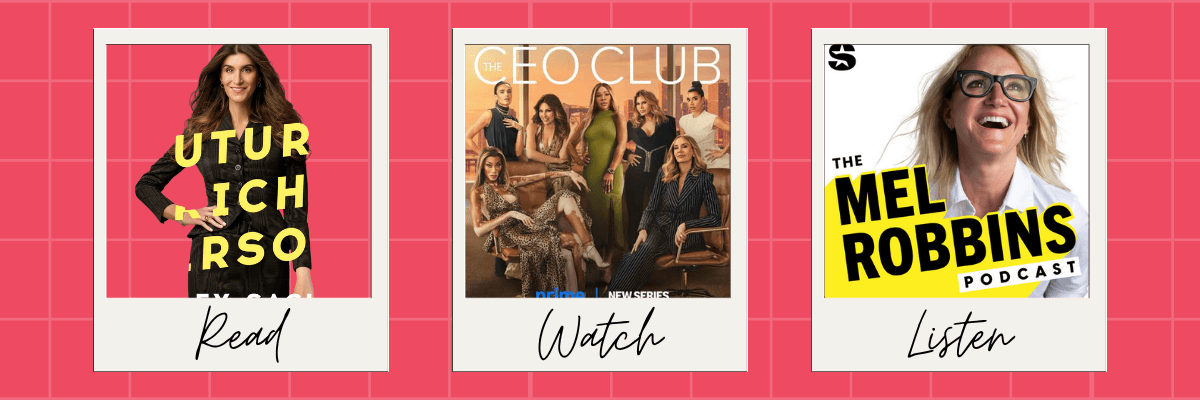
📚 Read: Future Rich Person by Haley Sacks
The new rules for building wealth from the creator behind Finance Is Cool, written for anyone who feels stuck, broke, or locked out of the conversation.
📺 Watch: The CEO Club (Prime Video)
A reality series following trailblazing female CEOs as they juggle running companies with the messier business of life and relationships. It’s a more grounded take on the genre, with real stakes instead of manufactured ones.
🎧 Listen: How to Manifest the Life You Want (The Mel Robbins Podcast)
A Stanford researcher breaks down why luck is something you can actually manufacture. Practical, science-backed, and the kind of episode that reframes how you think about your own opportunities before you even realize it happened.
SKINCARE
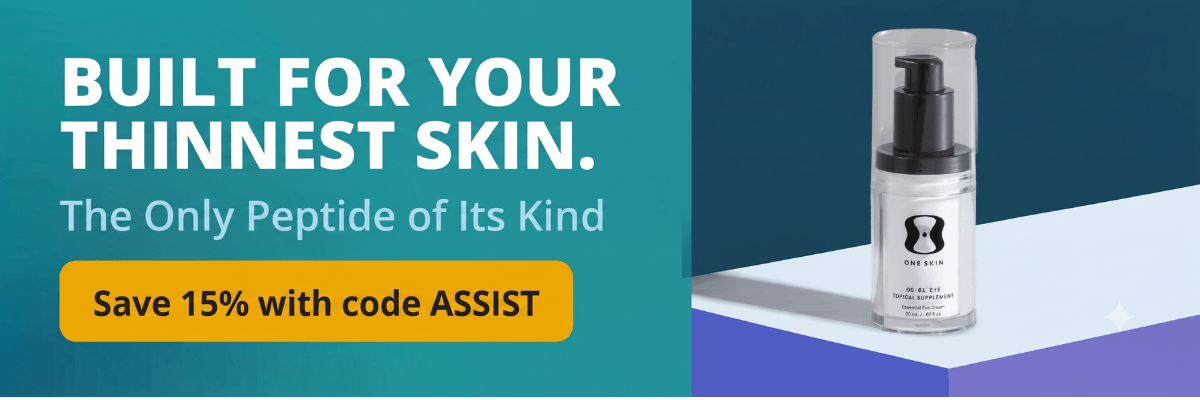
The Eye Cream That Boosted Collagen by 130% in Lab Studies
The skin around your eyes is up to five times thinner than everywhere else on your face, which is exactly why it shows fatigue and fine lines first.
OneSkin’s OS-01 EYE was built for that specific vulnerability. It carries the brand’s highest concentration of OS-01, the proprietary peptide four PhD scientists developed in-house after screening more than 900 candidates.
Peer-reviewed lab studies show it targets senescent cells, the damaged cells that speed up visible aging in that thin, delicate skin. The results:
- Boosted collagen by an average of 130% in lab studies.
- 100% of participants reported improved overall appearance.
- 96% of participants reported better hydration.
Designed entirely in-house by OneSkin’s own research team, this peptide doesn’t exist in any other skincare line.
Firmer, more hydrated eyes, backed by real collagen data.
JUST FOR FUN
COMMUNITY
 Upcoming Events
- Mon 7/20 @ 1PM PT: Watch Me Work: Creating Social Media Content with Claude (SGS Only* | Join the waitlist)
- Wed 7/22 @ 11am PT: SGS Coworking Session (SGS Only* | Join the waitlist)
- Fri 7/24 @ 7AM PT: AI Workflow Implementation Sprint: Week 4 Live Session (AI Cohort Only)
- Fri 7/31 @ 8:30AM PT: Watch Me Work: Vibe Code a Portfolio in Real Time with Joanna (SGS Only* | Join the waitlist)
* Smart Girl Society is our private community for women who want deeper conversations, accountability, and tools that actually make life easier. Join the waitlist to get in the next round.

PET OF THE WEEK

Meet Adelaide (Addie)
Meet Adelaide (Addie for short), a blue heeler with more personality than she knows what to do with. She specializes in side-eyes, parkouring off anything within reach, and keeping her humans on their toes. Goofy, opinionated, and ferociously loyal in the way only a heeler can be.
🐾 Got a cute fur baby? Submit them to be our pet of the week in an upcoming issue.
SPILL THE TEA
Take Our Poll
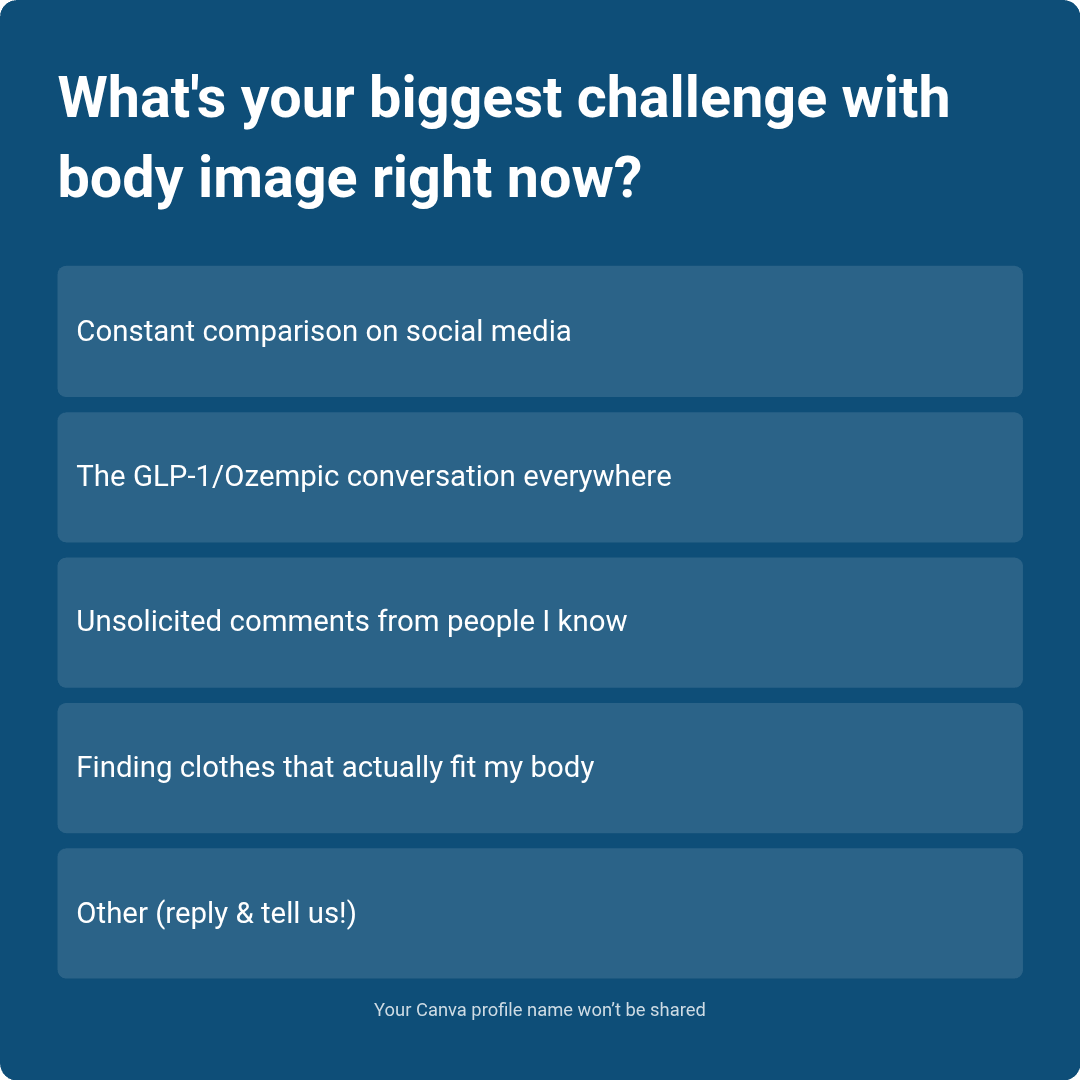
Have more feedback? 💌 Reply to this email and tell us.
✨ P.S. Want more inspiration and positivity to kick off your week? Sign up for our Motivational Monday texts (U.S. only).
👀 Want to see if your company is a good fit for our 250k+ ambitious readers? Join our Sponsor Waitlist here.